HEPA Filters
The 99.97 percent standard explained. HEPA filters must catch at least 99.97 percent of 0.3 micron particles. How the fiber maze works, why 0.3 microns is the test size and where HEPA fits.
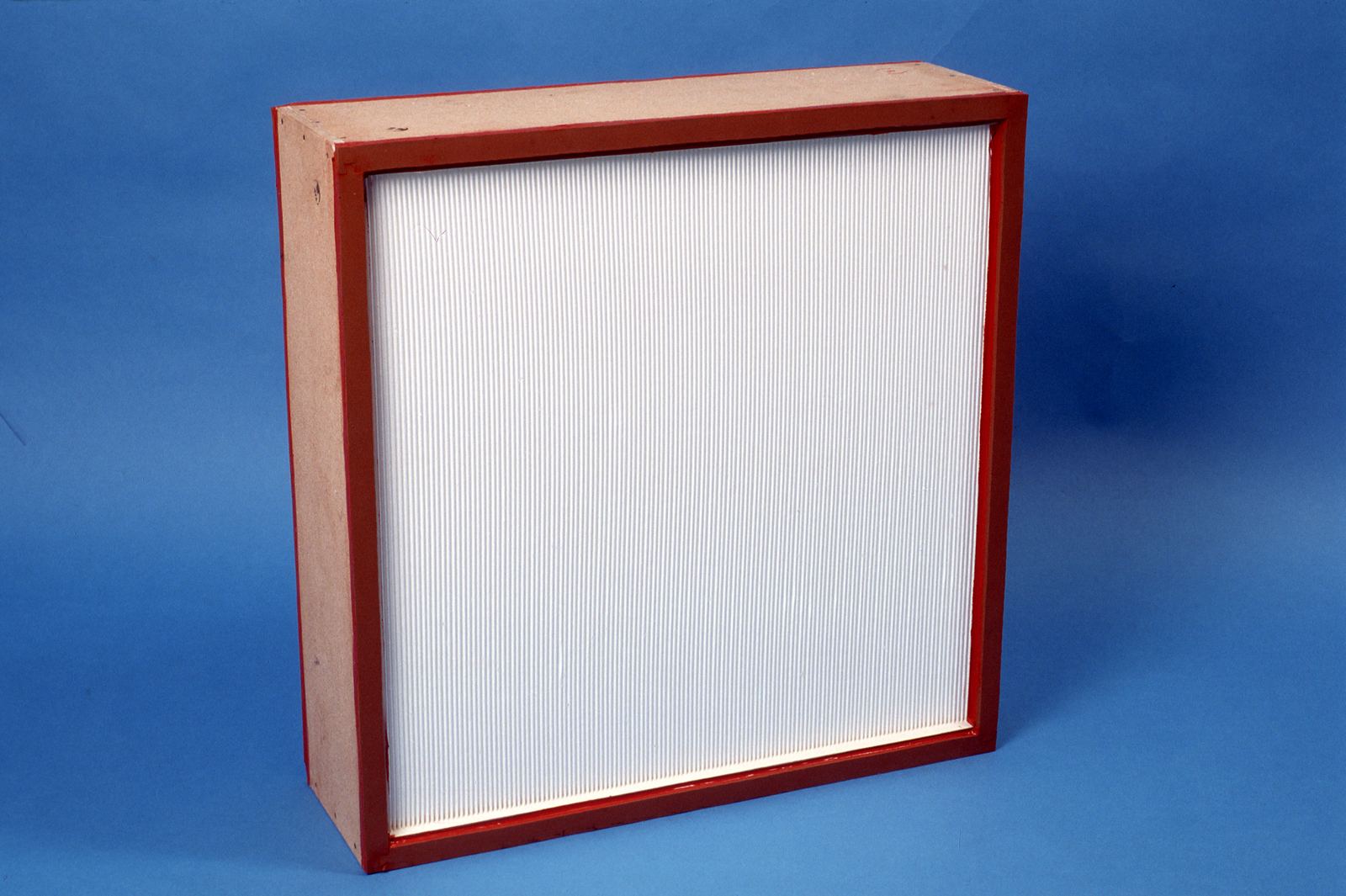
A HEPA filter panel: Livestock Industries, CSIRO, CC BY 3.0
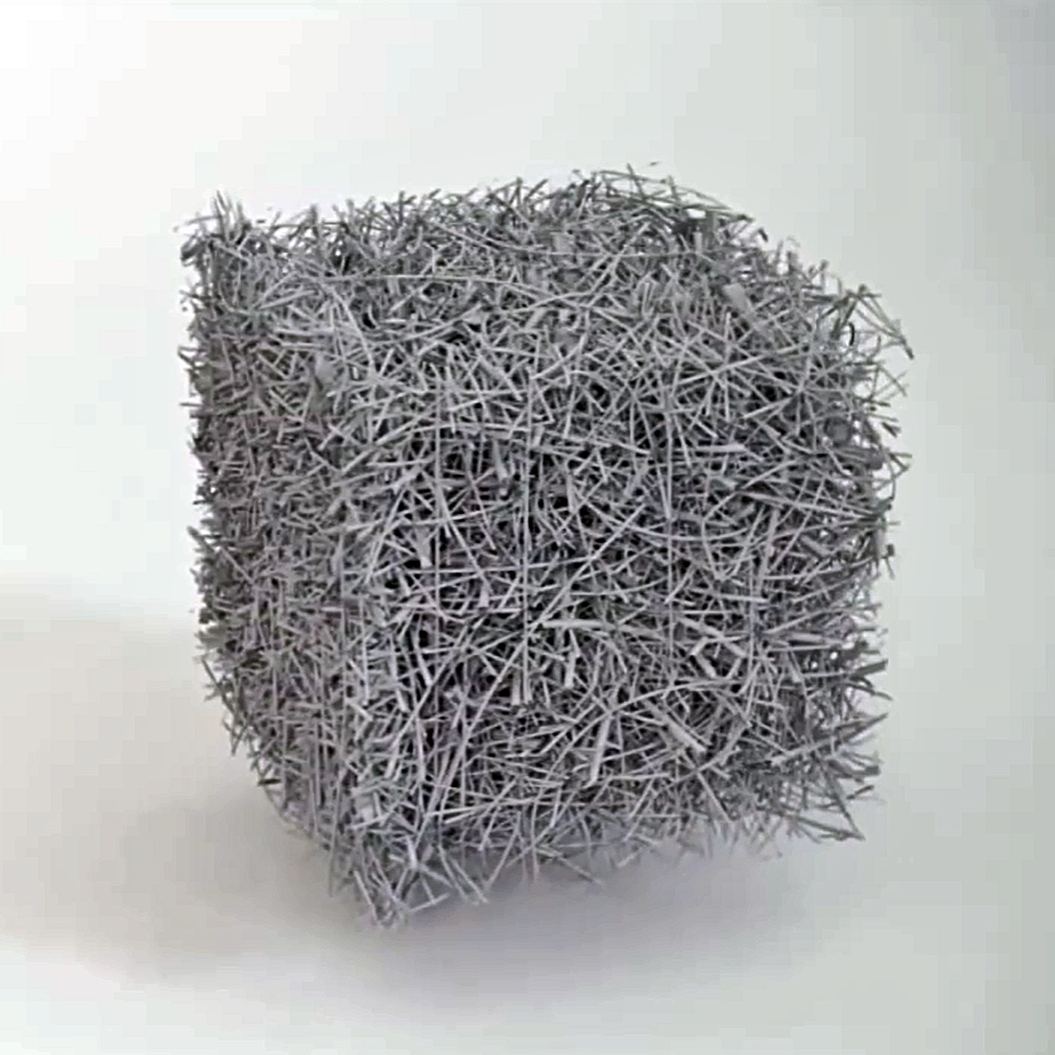
A maze, not a sieve
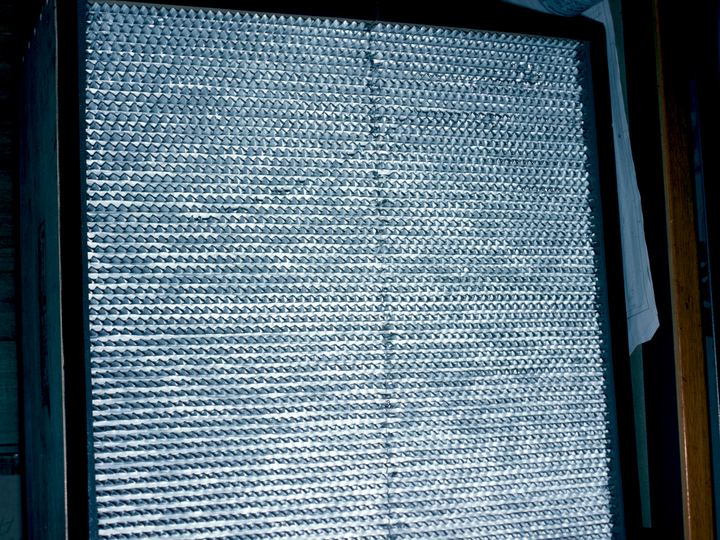
A HEPA filter is not a fine screen with tiny holes. It is a dense mat of randomly arranged fibers. Particles get caught in three ways: big ones crash into fibers because they cannot follow the air as it bends, medium ones brush against fibers and stick, and the tiniest ones zigzag randomly and eventually hit a fiber.
That is why HEPA filters catch very small and fairly large particles well, and struggle most with particles in between.
Why 0.3 microns
Particles around 0.3 microns are the hardest for this kind of filter to capture, so that size is used as the test. The US Department of Energy standard requires a HEPA filter to remove at least 99.97 percent of particles of that size.
Be careful with words like HEPA-type or HEPA-like on packaging. Those are marketing terms, not the same standard.
HEPA in a house
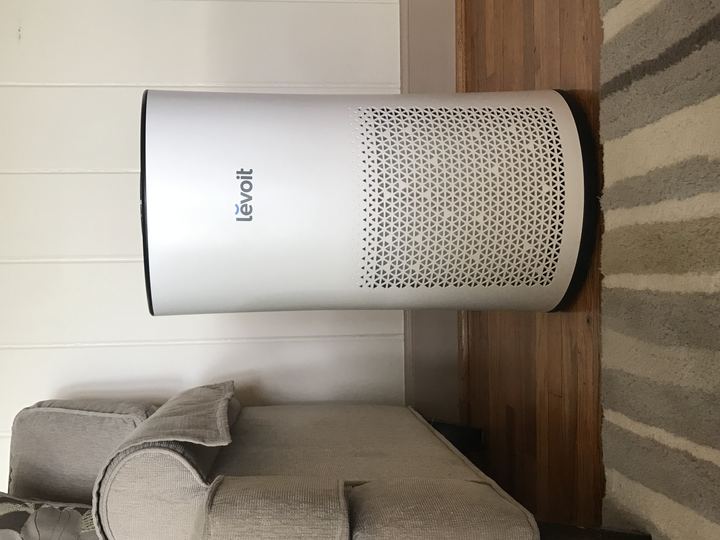
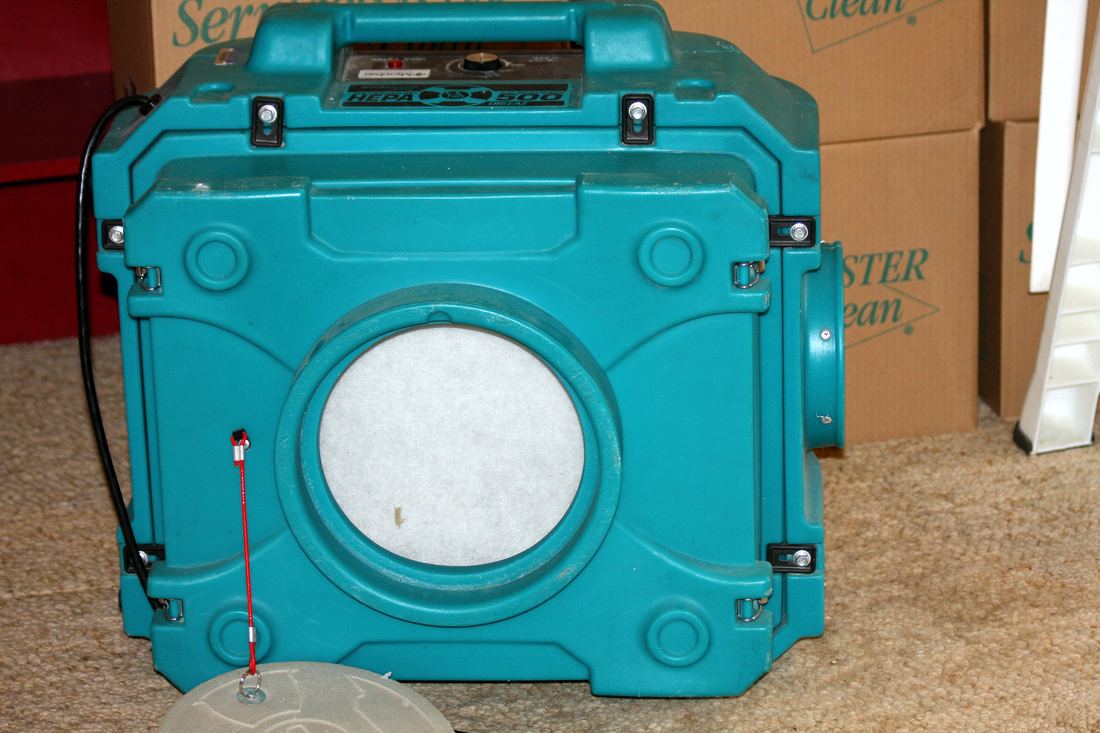
Most home central HVAC systems are not designed for true HEPA filters, because the dense media resists airflow and needs special housings and stronger fans. That is why HEPA shows up mainly in portable room air cleaners and in vacuum cleaners.
For central systems, the EPA points homeowners to high MERV filters instead, ideally MERV 13 or as high as the system allows.
What HEPA does not do
HEPA filters trap particles such as dust, pollen, smoke and many microbes. They do not remove gases or odors like cooking smells, volatile organic compounds or radon. Some air cleaners add an activated carbon layer for certain gases.
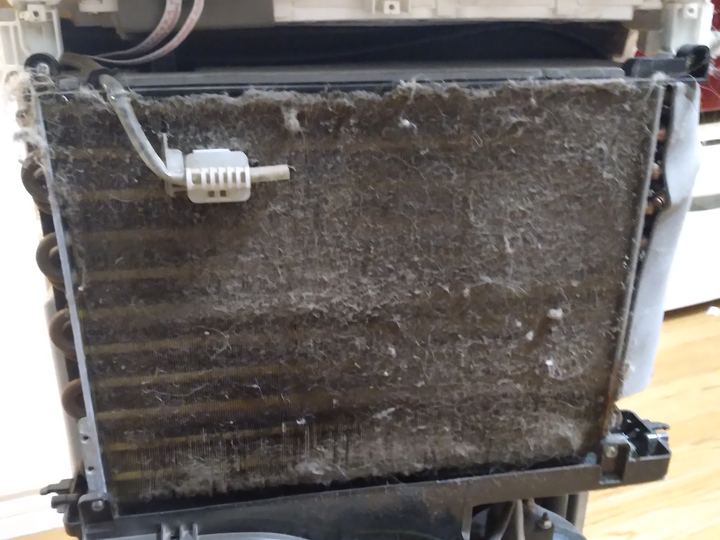
Like any filter, a HEPA filter only works when it is sealed in its frame and replaced on the schedule the maker recommends.
HEPA in vacuums and cleanrooms
HEPA filters are also used in vacuum cleaners, where they help keep fine dust from blowing back out of the exhaust, as long as the vacuum body is sealed so air cannot bypass the filter.
Hospitals, laboratories and electronics factories use HEPA and even higher grade filters in cleanrooms, where air is pushed through filter banks in the ceiling. Duct cleaning contractors working to the NADCA standard also use vacuum collection equipment with high efficiency filtration so debris pulled from ducts is not released back into the home.
Facts on this page were checked against these sources.
- A HEPA filter panel: Livestock Industries, CSIRO, CC BY 3.0
- The fiber maze, magnified: JoseAntonioGarrido, CC BY-SA 4.0
- A portable HEPA unit: Hardyplants, CC0
Text written by Clear Air Cleaning.