Seasonal HVAC Care Checklist
What homeowners can check each season. A season by season HVAC checklist built from ENERGY STAR and DOE advice: filters, outdoor unit clearance, drain lines, alarms and when to call a pro.
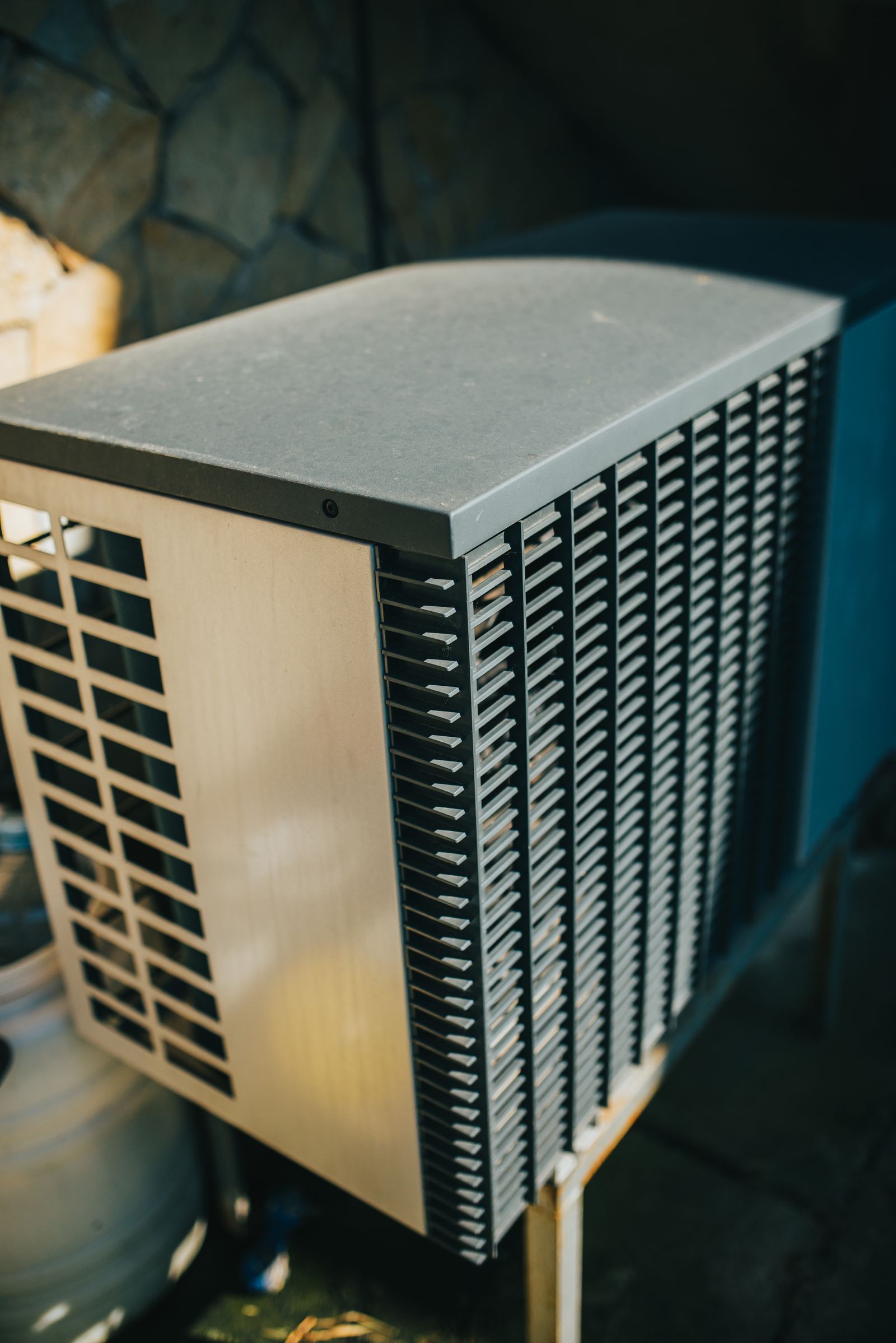
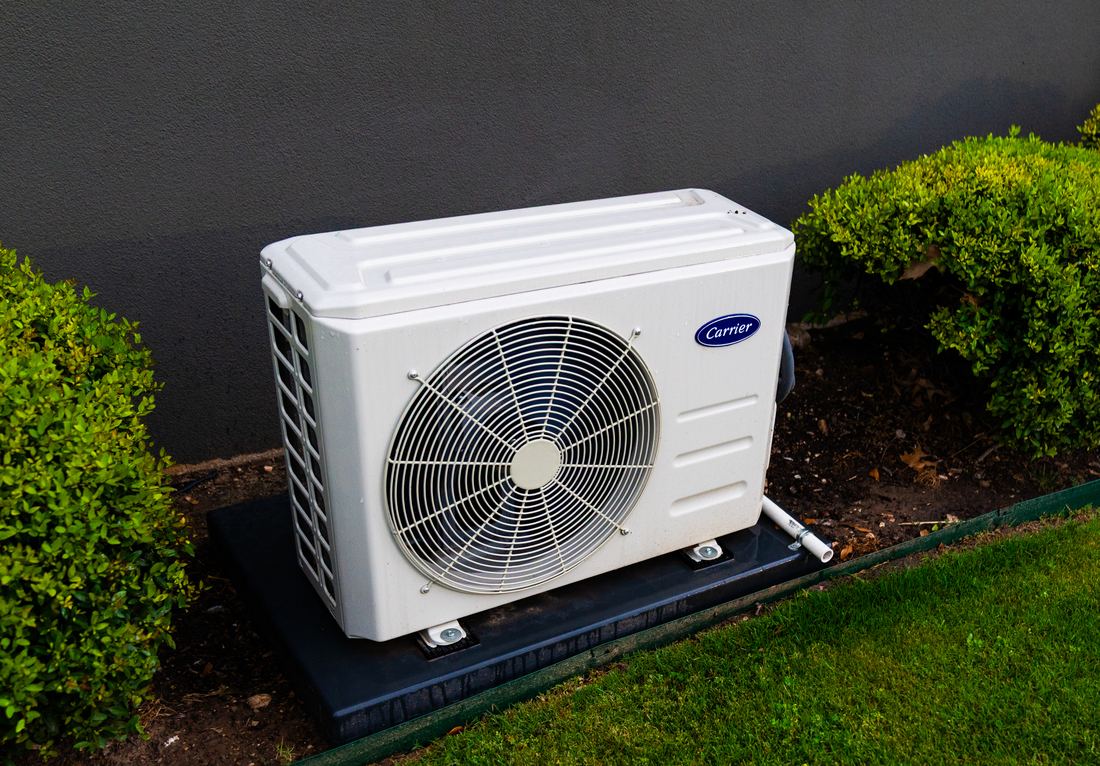
Give the outdoor unit room: Shixart1985, CC BY 2.0
Spring: before cooling season
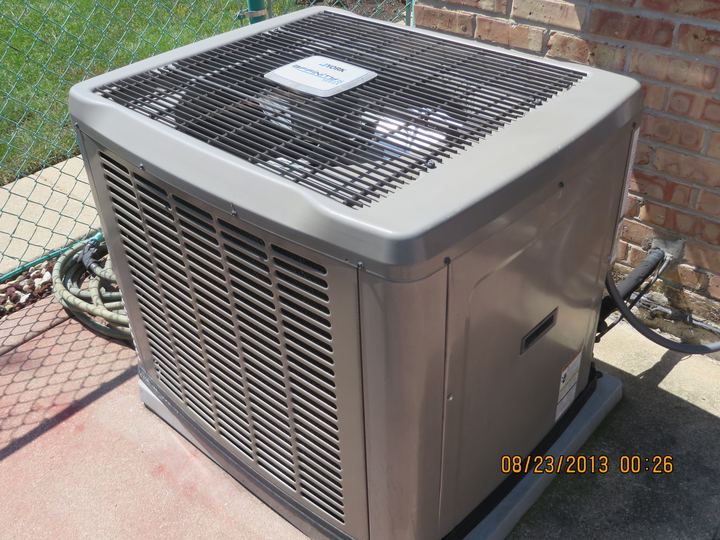
Check and change the filter. Walk around the outdoor unit and clear leaves, grass clippings and debris. Trim back shrubs and keep stored items away so air can flow freely across the coil, and check the manufacturer's clearance guidance.
ENERGY STAR recommends having a contractor check the cooling system in spring and the heating system in fall, before the busy seasons. A cooling checkup typically includes cleaning coils, checking refrigerant charge and testing controls.
Summer: while it works hard
Keep an eye on the condensate drain line, usually a small pipe near the indoor unit that drips water outside or into a floor drain. ENERGY STAR notes that a plugged drain can cause water damage and affect indoor humidity. Many technicians clear it during a service visit.
Keep supply registers open and unblocked. If the system runs constantly but the house stays warm, or you see ice on the refrigerant lines, turn it off and call a qualified technician.
Fall: before heating season
Change the filter again and schedule the heating checkup, which ENERGY STAR recommends each fall for furnaces and heat pumps. For fuel-burning systems this includes checking the burner, heat exchanger and venting.
Test carbon monoxide and smoke alarms, and replace any that have passed their end-of-life date. Clean the dryer lint screen every load and check that the dryer vent flap outside opens freely.
Winter: watch and listen
Keep snow and ice away from heat pump outdoor units and from the intake and exhaust pipes of high-efficiency furnaces. Blocked pipes can shut a furnace down.
Leave refrigerant, gas lines and electrical repairs to licensed professionals. Homeowner care is about the easy things: filters, clearance, drains and alarms, done on time every season.
Keep a simple log
A one-page log next to the furnace or air handler is a useful tool. Note the filter size, the date of each change, alarm test dates and what was done at each professional visit. It helps spot patterns, like filters loading faster than usual or a drain line that clogs every summer.
When you call for service, a log also helps the technician understand the system's history quickly. It is a small habit that keeps the whole system running closer to how it was designed.
Facts on this page were checked against these sources.
- Give the outdoor unit room: Shixart1985, CC BY 2.0
- Clear space around the unit: Tony Webster, CC BY 4.0
Text written by Clear Air Cleaning.
← Thermostats and Smart SettingsHow a Home HVAC System Works →