How a Home HVAC System Works
Heat, cool, move and clean the air. A plain guide to the parts of a central HVAC system: thermostat, furnace or air handler, outdoor unit, coil, blower, filter and the ducts that link them.
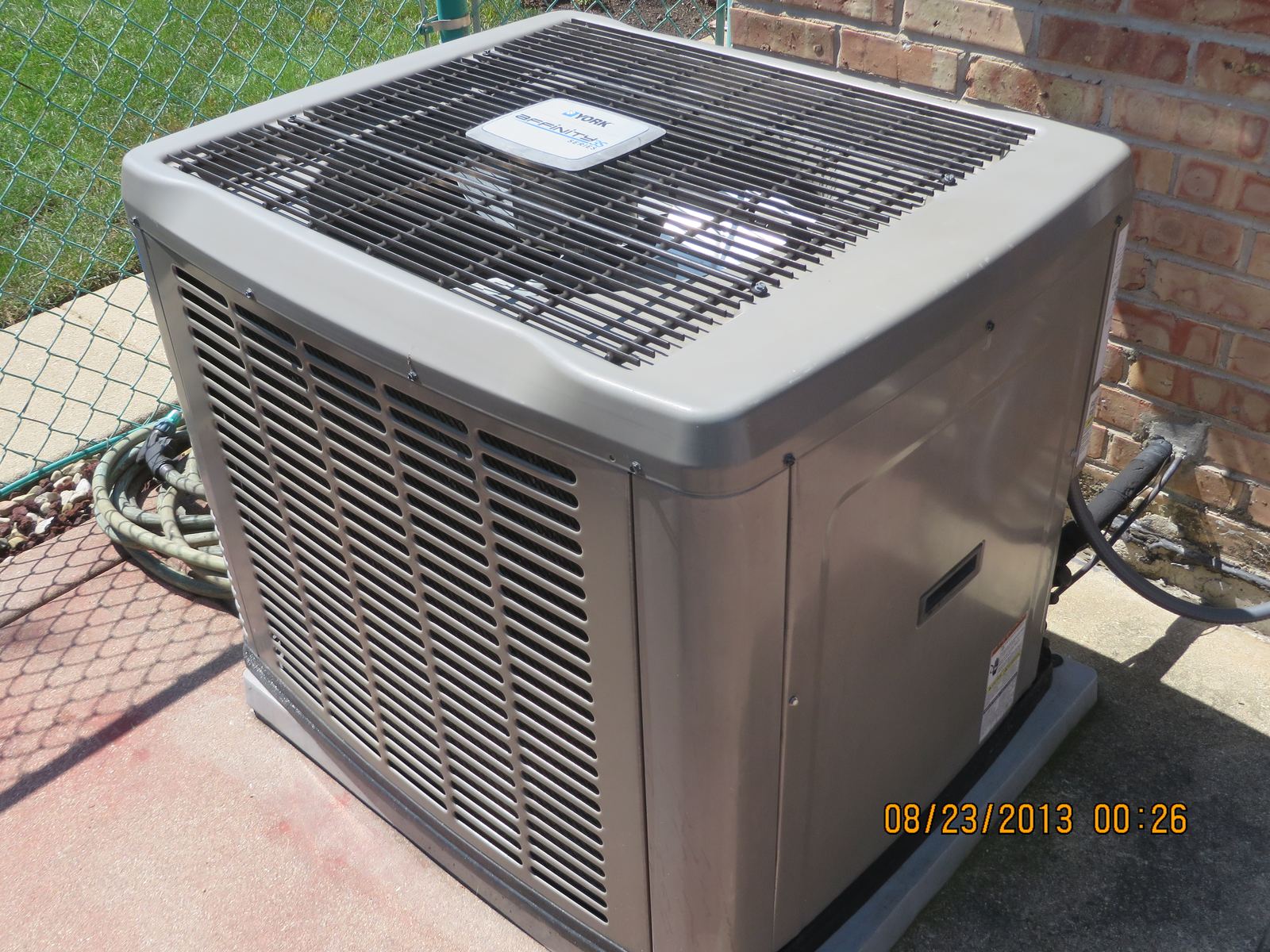
The outdoor condenser: H Padleckas, CC BY-SA 3.0
One loop of air
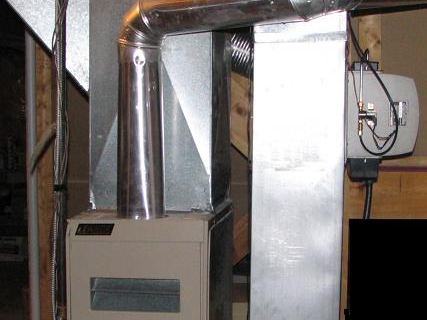
A central HVAC system is a loop. Air from your rooms is pulled into return grilles, passes through a filter, and reaches a blower fan inside the furnace or air handler. The blower pushes that air across a heat source or a cold coil, then out through supply ducts to the vents in each room. The same air goes around again and again, many times an hour.
Because the loop recirculates, the filter and the ducts matter. Anything the filter misses keeps travelling, and leaks in the ducts can pull in air from attics, crawl spaces or garages.
The parts you can see
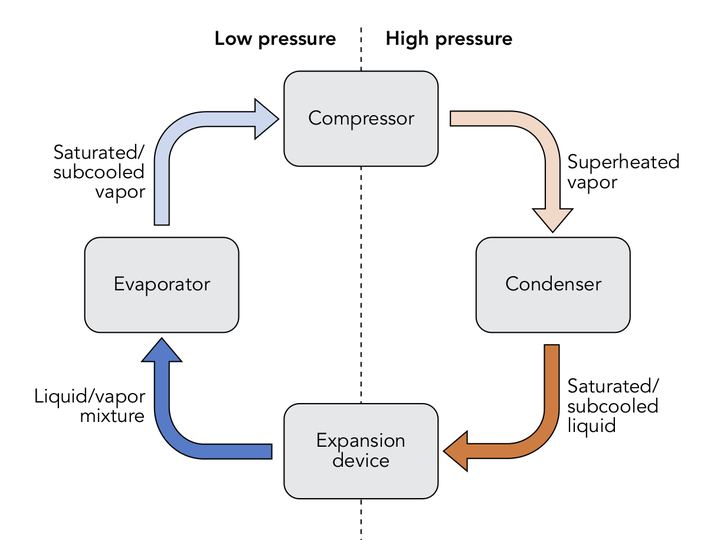
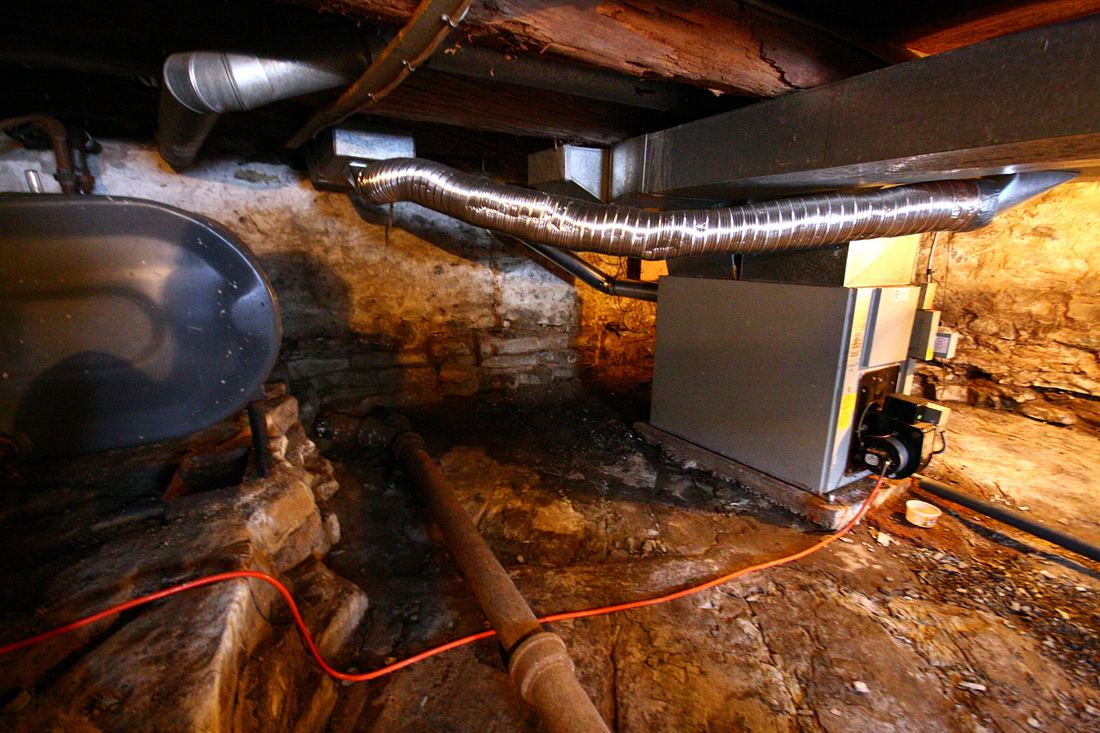
Most American homes with central air have a split system. The indoor half sits in a basement, closet, attic or garage and holds the blower, the filter slot and either a furnace or an electric air handler. The outdoor half is the boxy unit with a large fan on top, called the condenser, or a heat pump if it can also heat.
Two copper refrigerant lines run between the halves. A thin plastic or PVC pipe usually carries away water from the indoor coil, because cooling air also pulls moisture out of it.
How it decides what to do
The thermostat is the switch that runs the show. When the room drifts away from the set temperature, it signals the furnace, heat pump or air conditioner to start and tells the blower to move air. Modern thermostats can also run the fan alone, manage humidity accessories and follow schedules.
Ventilation, the V in HVAC, is the part people forget. A good system brings in some outdoor air and removes stale or moist air through kitchen and bathroom fans or a dedicated ventilator.
Why it is worth understanding
ENERGY STAR notes that nearly half of the energy used in a typical home goes to heating and cooling. Simple habits, like changing filters on time and keeping vents unblocked, help the whole loop work as designed.
Knowing the parts also makes it easier to describe a problem accurately, read an inspection report or ask good questions before agreeing to any repair.
Words you will hear
A few terms come up again and again. The plenum is the box on top of or beside the furnace where the main ducts connect. A register is a supply vent with adjustable louvers, and a grille is a return opening. Tonnage describes cooling capacity: one ton equals 12,000 BTU per hour, a unit that dates back to cooling with blocks of ice.
Load calculation is how professionals size equipment for a house, usually with the industry method called Manual J, rather than guessing from square footage alone.
- ENERGY STAR: Heat and Cool Efficiently
- Wikipedia: Heating, ventilation, and air conditioning
- US EPA: Introduction to Indoor Air Quality
Facts on this page were checked against these sources.
- The outdoor condenser: H Padleckas, CC BY-SA 3.0
- Furnace and ducts under a house: Martin Cathrae from Charlottetown, PE, Canada, CC BY-SA 2.0
Text written by Clear Air Cleaning.