Dryer Vent Fire Safety
Lint is the leading cause of dryer fires. US fire data counts about 2,900 home clothes dryer fires a year, and failure to clean is the leading cause. How lint builds up and the habits that help.
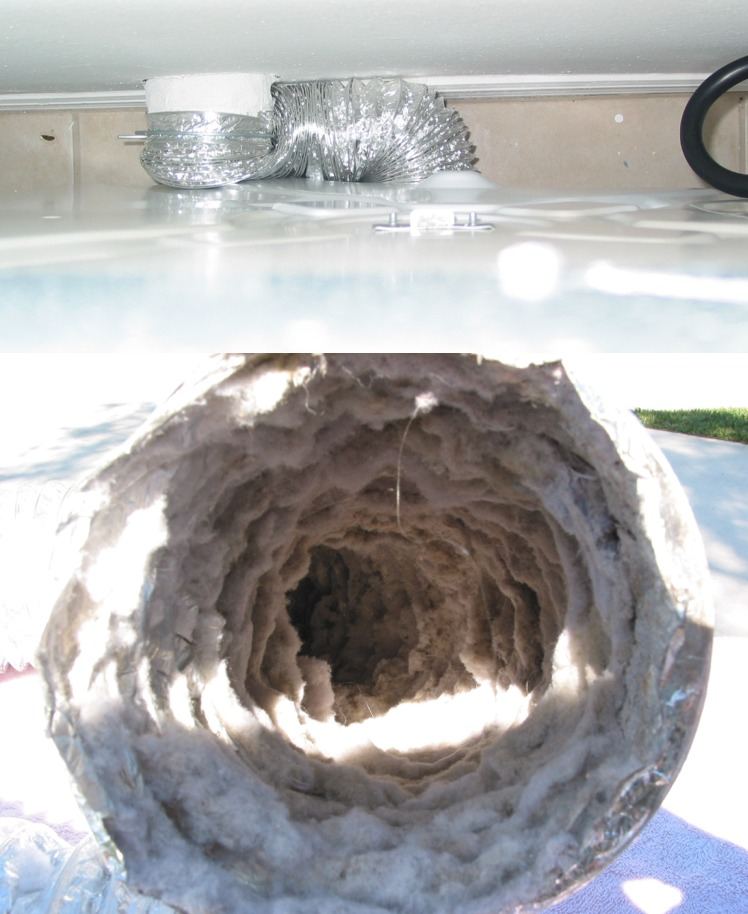
Lint inside a dryer duct: Rick Harpenau, CC BY 3.0
The numbers
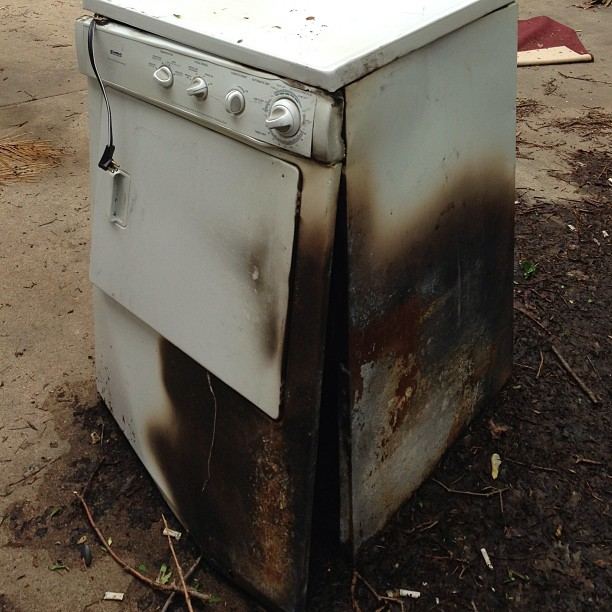
A US Fire Administration study of 2008 to 2010 data estimated about 2,900 clothes dryer fires in homes each year, causing deaths, injuries and about 35 million dollars in property loss. Failure to clean the dryer was the leading factor, at 34 percent, and it was still the leading factor, at 31 percent, in USFA data for 2018 to 2020.
The same study found dryer fires were more common in fall and winter, peaking in January.
How lint becomes fuel
Every load sheds fibers. The lint screen catches most of them, but some always pass into the vent duct that carries hot, moist air outdoors. Over time lint builds up in the duct, especially at bends, sags and long runs.
Lint is very flammable. When the duct clogs, hot air cannot escape, the dryer runs hotter and longer, and the lint near the heater can ignite.
Habits that help
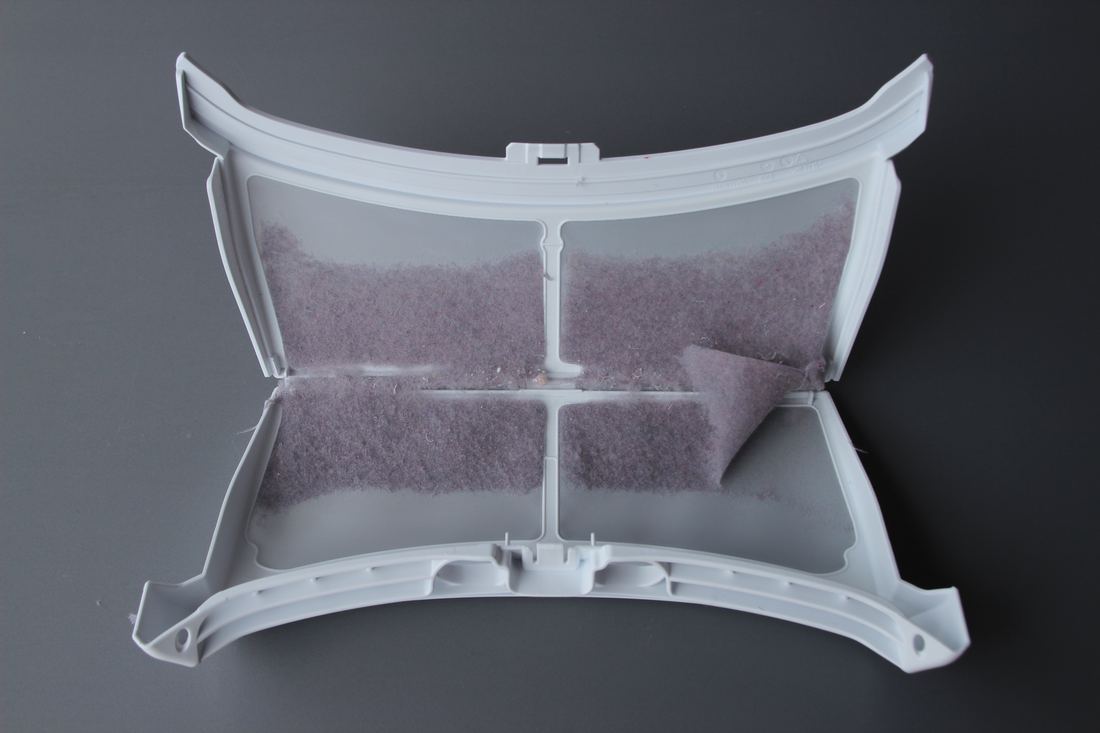
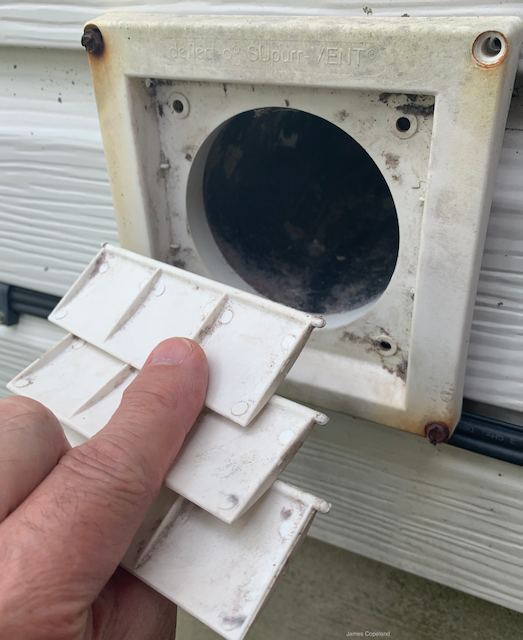
Clean the lint screen before or after every load and do not run a dryer without it. Fire safety agencies also advise cleaning lint out of the vent pipe periodically, checking that the outdoor vent flap opens when the dryer runs and is not blocked by snow, nests or debris, and having gas dryers inspected by a qualified professional.
Do not leave a dryer running when you leave home or go to bed, and keep the area around it clear of boxes and clothing.
Warning signs
Clothes taking longer than usual to dry, clothes that come out very hot, a burning smell, or a vent flap that barely moves while the dryer runs can all point to a blocked vent.
Use rigid or semi-rigid metal duct where possible, as short and straight as the space allows. Thin plastic or foil accordion ducts sag and crush easily, trapping lint, and many dryer makers and codes do not permit them.
Behind the dryer
The space behind a dryer collects lint too. Pull the dryer out occasionally, unplug it, and clean the floor and the back panel area. Check that the transition duct is not crushed when the dryer is pushed back.
Gas dryers add another reason for care: they burn fuel, so the vent also carries combustion gases outside. That is one more reason to keep it clear and properly connected. Electric dryers need a dedicated outlet and should be plugged directly into the wall, never into an extension cord.
- US Fire Administration: Clothes Dryer Fires in Residential Buildings (2008 to 2010)
- US Fire Administration: Appliance and Electrical Fire Safety
- Wikipedia: Clothes dryer
Facts on this page were checked against these sources.
- Lint inside a dryer duct: Rick Harpenau, CC BY 3.0
- A dryer damaged by fire: Original photo: Jerry on Flickr Modified by Gazebo on December 6, 2015 with loss, CC BY-SA 2.0
- The lint screen: Photograph: Frank C. Müller, Frankfurt am Main, CC BY-SA 4.0
- The outdoor vent hood: Vick648, CC BY-SA 4.0
Text written by Clear Air Cleaning.