Carbon Monoxide and Your Heating
The odorless gas every home should watch. Carbon monoxide comes from fuel-burning appliances and has no smell or color. Where to put CO alarms, warning symptoms and how to prevent it, per the CDC.
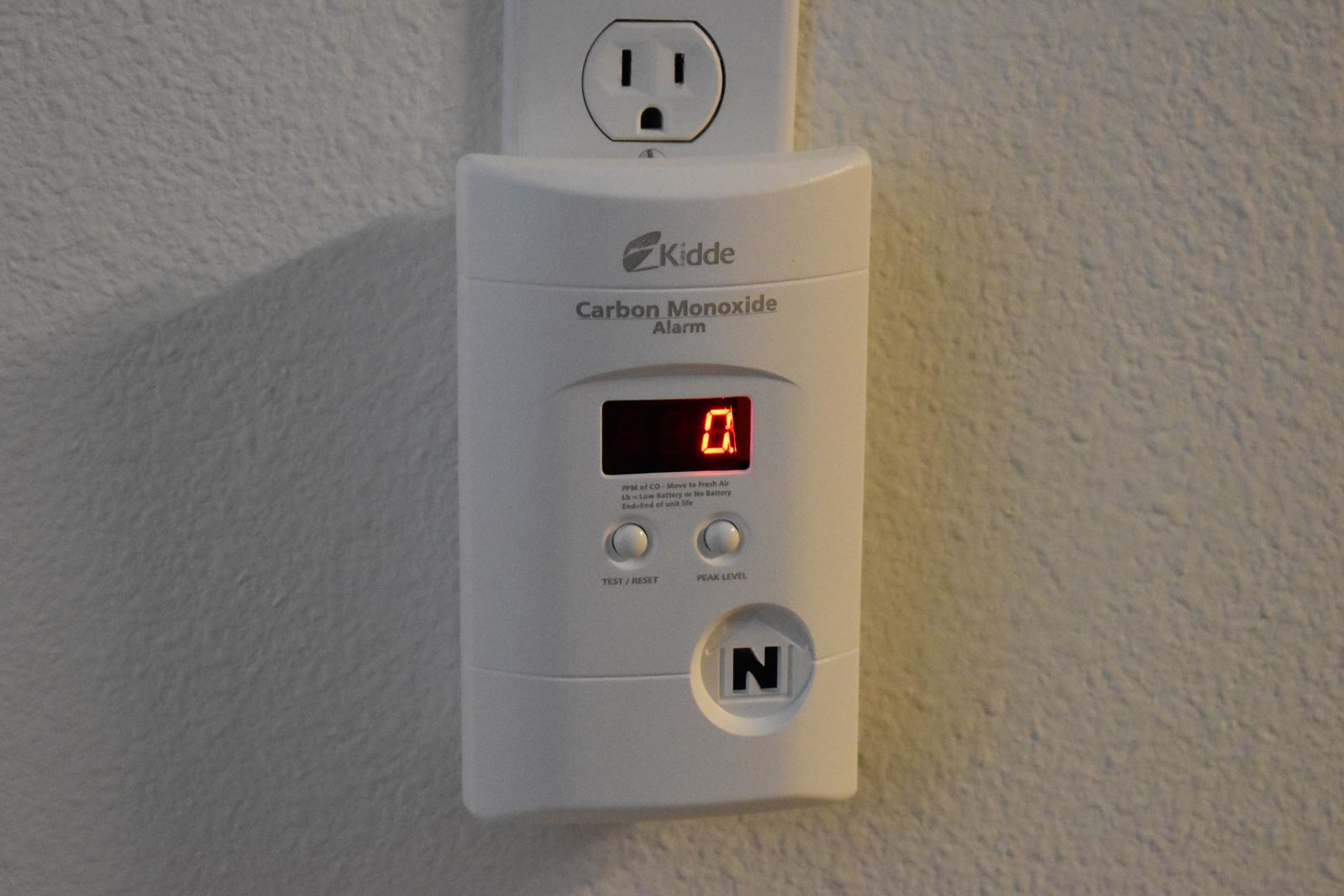
A carbon monoxide alarm: FASTILY, CC BY-SA 4.0
What it is
Carbon monoxide, or CO, is a gas made when fuels such as natural gas, propane, oil, wood, gasoline or charcoal burn. It has no color, smell or taste, so people cannot sense it. CO poisoning can cause illness and death.
The US Centers for Disease Control and Prevention reports that more than 400 Americans die each year from unintentional carbon monoxide poisoning not linked to fires, and thousands more visit emergency rooms.
How HVAC fits in
Furnaces, boilers and water heaters are designed to send their combustion gases safely outdoors. Problems happen when a vent or chimney is blocked, disconnected or cracked, or when a heat exchanger fails. The CDC advises having heating systems, water heaters and other gas, oil or coal appliances serviced by a qualified technician every year.
Never run generators, grills or cars inside a home or attached garage, even with the door open.
Alarms save lives
Install battery-operated or battery backup CO alarms on every level of your home and near sleeping areas, so the alarm can wake you. Test them, change batteries as the maker directs, and replace the alarm at the end of its rated life, usually printed on the back.
A smoke alarm does not detect CO unless it is a combination unit labeled for both.
Know the signs
Common symptoms of CO poisoning are headache, dizziness, weakness, upset stomach, vomiting, chest pain and confusion. They can feel like the flu, but without a fever, and several people or pets in the home may feel ill at the same time.
If a CO alarm sounds or you suspect poisoning, get everyone outside to fresh air right away and call 911 or your local emergency number. Do not go back in until responders say it is safe.
Garages, generators and blocked vents
An attached garage is a common source of CO. Never warm up a car in a garage, even with the big door open. During power outages, portable generators must run outdoors and far from windows, doors and vents, never in a garage, basement or crawl space.
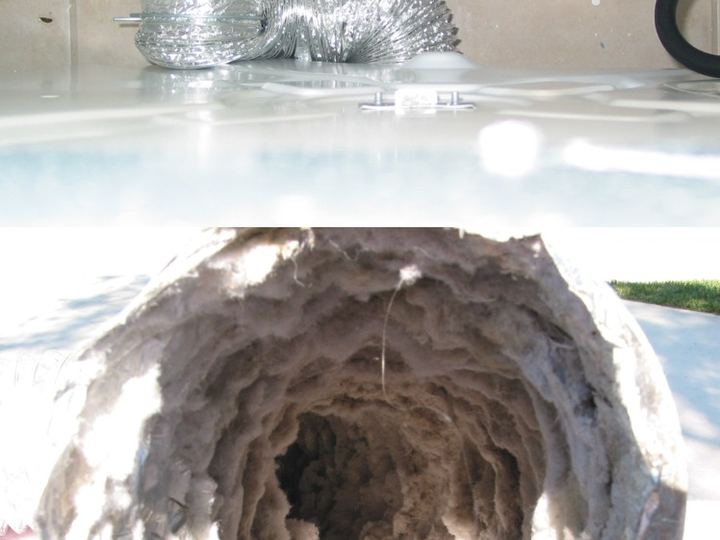
After heavy snow, check that the intake and exhaust pipes of high-efficiency furnaces and water heaters on side walls are clear, along with dryer and other appliance vents. Blocked vents can push exhaust back into the home.
Facts on this page were checked against these sources.
- A carbon monoxide alarm: FASTILY, CC BY-SA 4.0
Text written by Clear Air Cleaning.