Air Duct Cleaning: What the EPA Says
When it helps and what it cannot promise. The EPA says duct cleaning has never been shown to prevent health problems, but lists three situations where cleaning ducts can make sense.
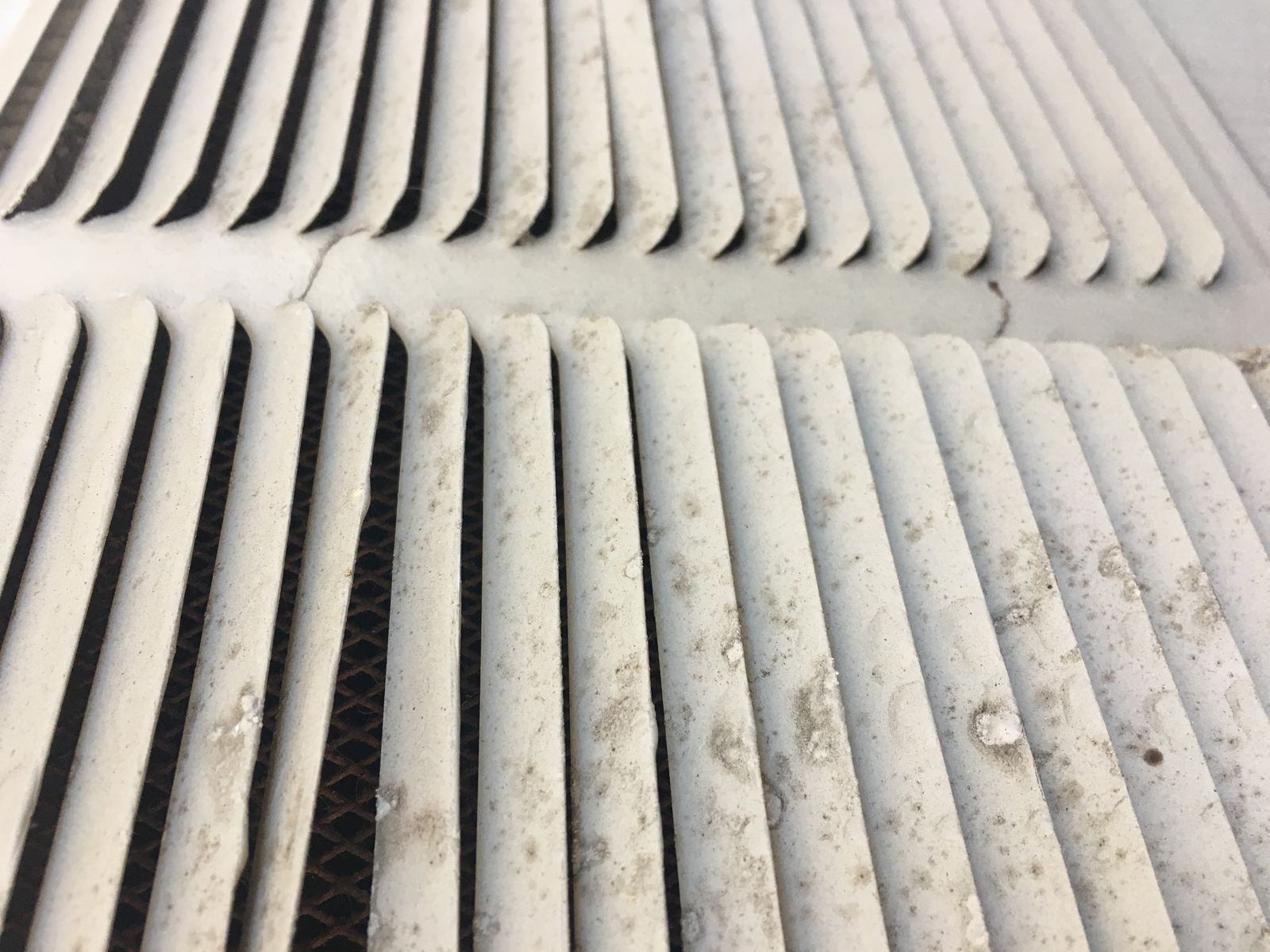
Dust on a vent: Misterneedlemouse, CC0
The honest answer
The US Environmental Protection Agency states that duct cleaning has never been shown to actually prevent health problems. It also says studies do not conclusively show that dust levels in homes rise because of dirty ducts, because much of the dirt sticks to duct surfaces and does not necessarily enter the living space.
So Clear Air Cleaning will never tell you that cleaning ducts will cure allergies or keep anyone from getting sick. Anyone with unexplained symptoms should talk to a doctor.
When it can make sense
The EPA lists three situations where you may want to consider cleaning: substantial visible mold growth inside hard surface ducts or other parts of the system; ducts infested with vermin such as rodents or insects; and ducts clogged with excessive dust and debris, or particles actually being released into the home from the supply registers.
Mold should be confirmed, not guessed. If mold is found, the cause, usually moisture, has to be fixed too or it will come back.
Clean the whole system
The EPA advises that if ducts are cleaned, the rest of the system should be cleaned too: coils, drain pan, blower, fan motor and housing, and the air handler. Cleaning only the ducts while leaving a dirty blower or coil can recontaminate them.
The EPA also urges caution with chemical biocides and sealants sprayed into ducts, and suggests understanding their pros and cons, and confirming they are registered and labeled for that use, before allowing them.
How it is done properly
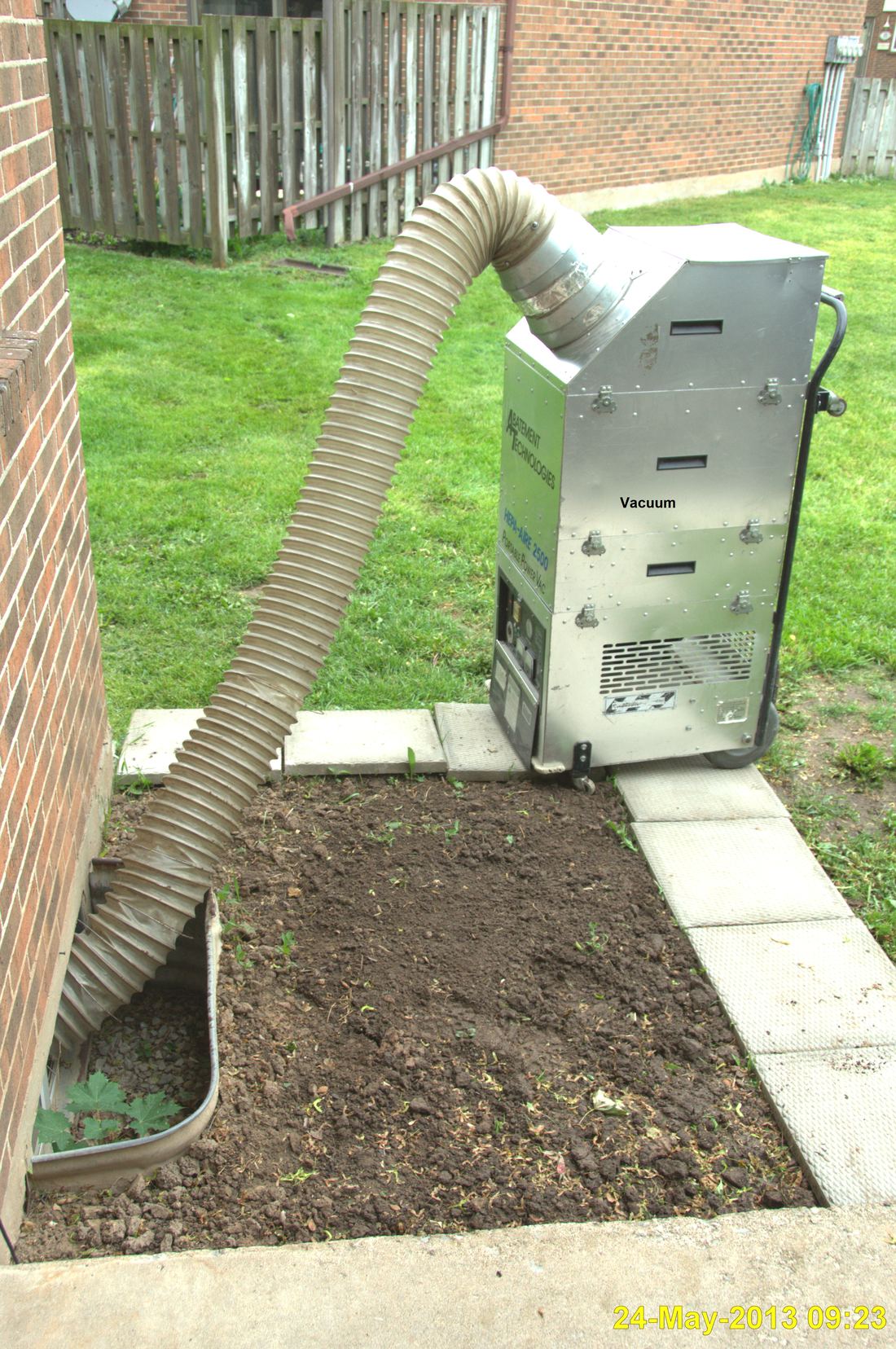
NADCA, the National Air Duct Cleaners Association founded in 1989, publishes the ACR standard for assessing, cleaning and restoring HVAC systems. It describes source removal: putting the system under negative pressure with a powerful vacuum collector while brushes and air tools loosen debris.
The EPA notes it has no evidence that a light coating of household dust in ducts is harmful. For most homes, the bigger wins are changing filters on time, controlling moisture and sealing leaky ducts.
Questions worth asking
If you are considering cleaning, the EPA suggests asking for references, checking whether the company holds any required state licenses, and making sure they will clean all the parts of the system, not just the ducts. NADCA maintains a public directory of member companies and certified Air Systems Cleaning Specialists.
Be cautious of anyone who claims duct cleaning will cure allergies or asthma or improve your health. That claim goes beyond what the EPA says the evidence shows. Clear Air Cleaning does not sell duct cleaning; this page is here so you can make an informed choice.
- US EPA: Should You Have the Air Ducts in Your Home Cleaned?
- NADCA: National Air Duct Cleaners Association
- Wikipedia: Duct cleaning
Facts on this page were checked against these sources.
- Dust on a vent: Misterneedlemouse, CC0
- Negative pressure collection unit: Achim Hering, CC BY-SA 3.0
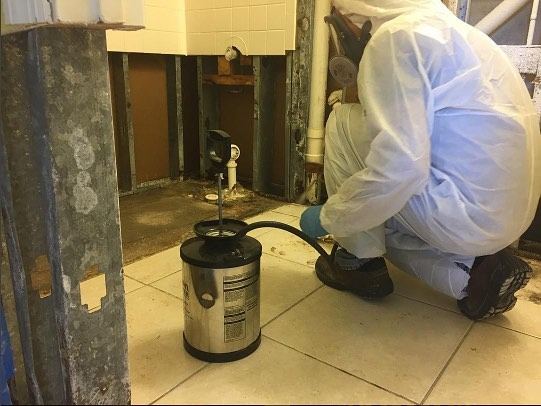
- A technician at work: Flowingking, CC BY-SA 4.0
Text written by Clear Air Cleaning.