Leaky Ducts and Duct Sealing
Where a quarter of your air can go. ENERGY STAR estimates 20 to 30 percent of duct air leaks away in a typical home. Signs of leaky ducts, why duct tape fails and what sealing involves.
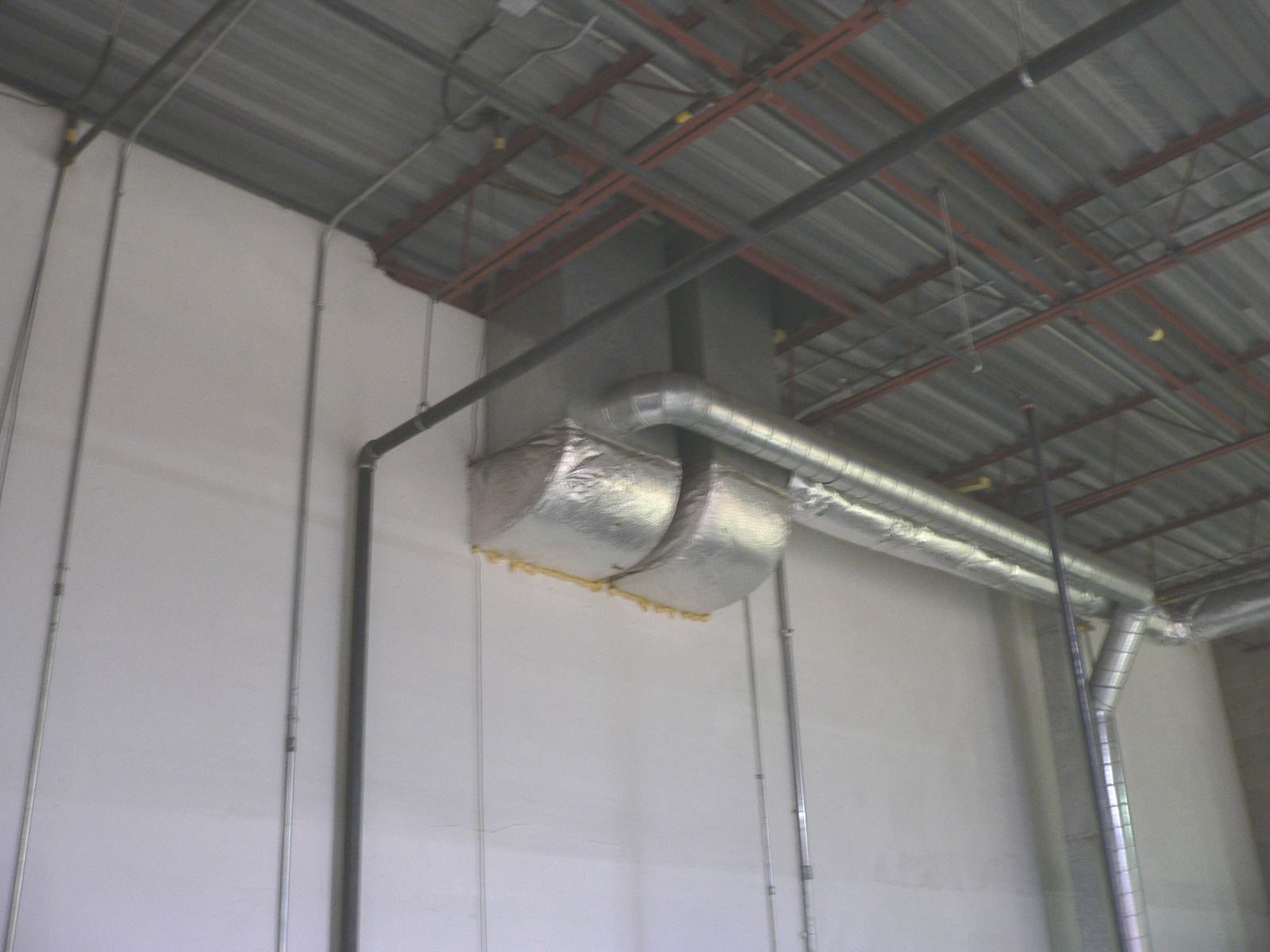
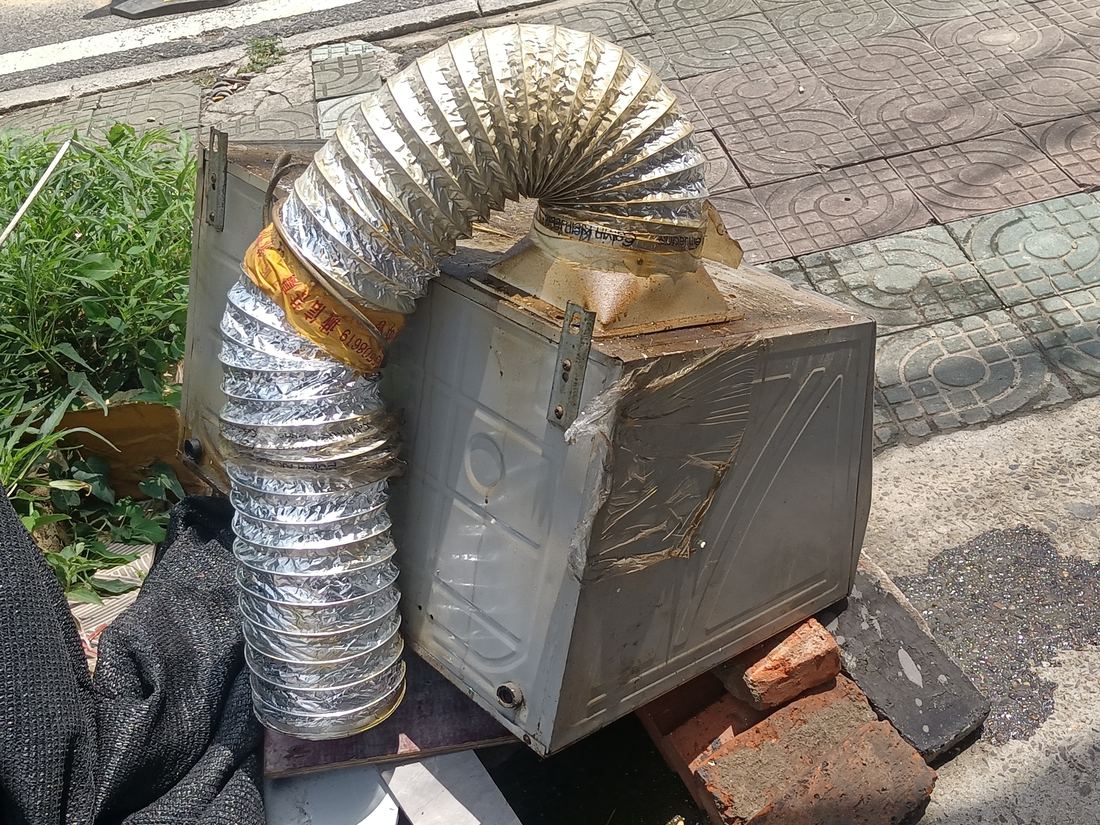
Duct joints and runs: Achim Hering, CC BY 3.0
Where the air goes
Ducts are joined section by section, and every joint, seam and boot where a duct meets a register is a chance to leak. ENERGY STAR estimates that in a typical house about 20 to 30 percent of the air moving through the duct system is lost to leaks, holes and poorly connected ducts.
When supply ducts leak into an attic, you pay to heat or cool air that never reaches a room. When return ducts leak, the system can suck in hot attic air, damp crawl space air or garage fumes.
Signs to watch for
ENERGY STAR lists common signs: high summer and winter bills, rooms that are hard to heat or cool, stuffy rooms that never feel comfortable, and ducts in an attic, crawl space or garage that are tangled or kinked.
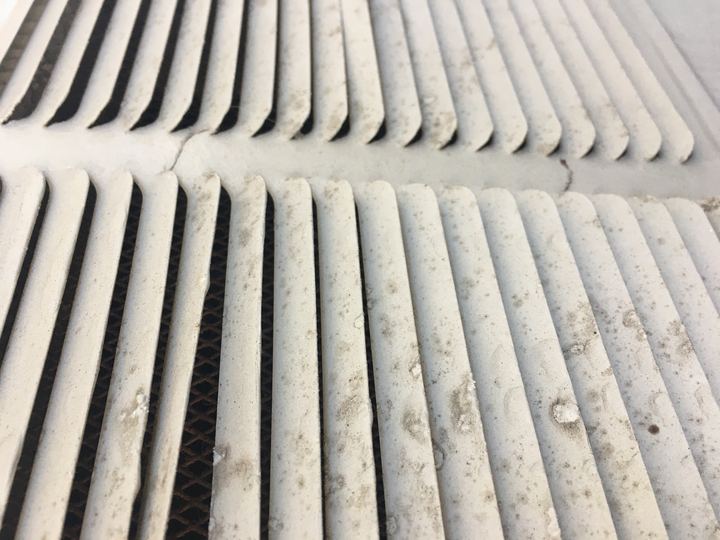
Dusty streaks around registers or on insulation near duct joints can also hint at air escaping.
Why duct tape is the wrong tape
Despite the name, ordinary cloth duct tape is a poor choice for sealing ducts, and ENERGY STAR says never to use it because it does not last. Lab testing at Lawrence Berkeley National Laboratory found it failed faster than other sealants as its adhesive dried out under real heat and cold cycles.
Professionals use mastic, a thick paste brushed over joints, or foil tape with a metal backing that is rated for ducts. Insulating ducts that run through unconditioned spaces after sealing them saves more energy.
Getting it checked
You can look at exposed ducts in a basement or attic for obvious gaps and disconnected sections. A full picture needs a duct leakage test, where a technician pressurizes the ducts with a calibrated fan to measure how much air escapes.
Some utilities and energy programs offer home energy assessments that include duct checks, which is a good way to learn whether sealing is worth it in your home.
Ducts and indoor air
Leaky return ducts do not only waste energy. A return duct that leaks in a crawl space, attic or garage can pull in dust, insulation fibers, humid air or fumes and carry them into living spaces. That is one reason sealing returns is often a priority.
Sealing can change system pressures, so afterward it is good practice to check that combustion appliances still vent properly and that airflow at the registers is right. ENERGY STAR says sealing and insulating ducts can improve heating and cooling efficiency by as much as 20 percent.
Facts on this page were checked against these sources.
Text written by Clear Air Cleaning.
← Air Duct Cleaning: What the EPA SaysIndoor Air Quality Basics →