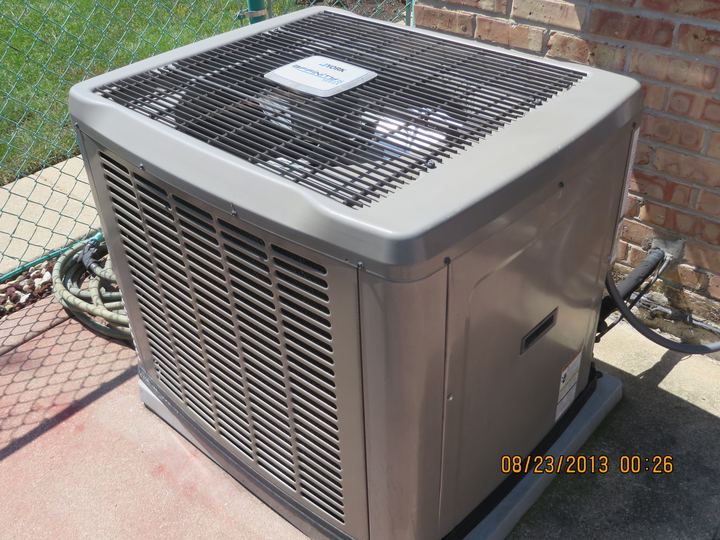
How Heat Pumps Work
One machine that heats and cools. A heat pump moves heat into your home in winter and out in summer. How it works in cold weather, what SEER2 and HSPF2 mean and why it saves energy.
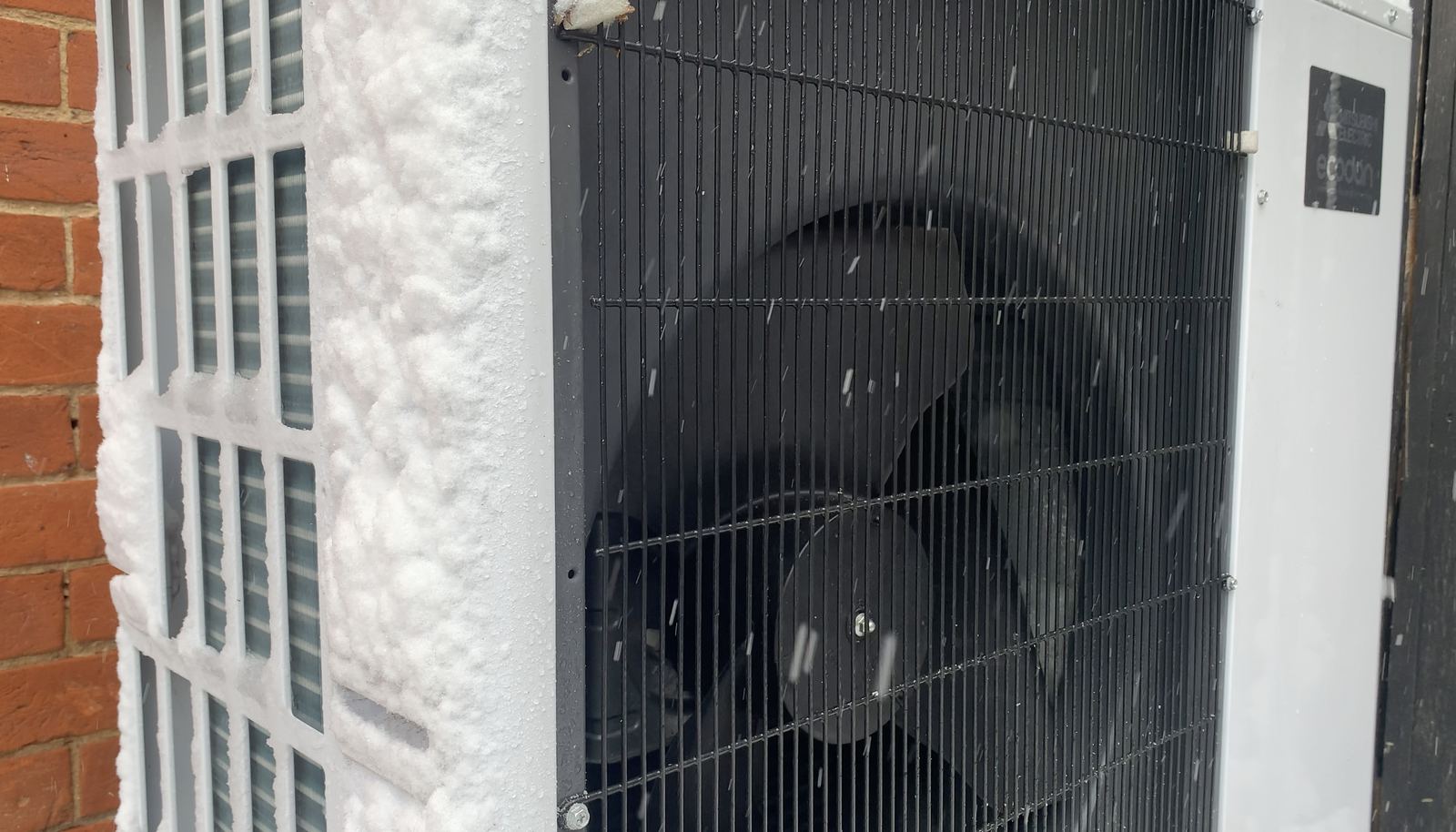
Heat pump in winter: PeterEastern, CC BY-SA 4.0
Heat from cold air
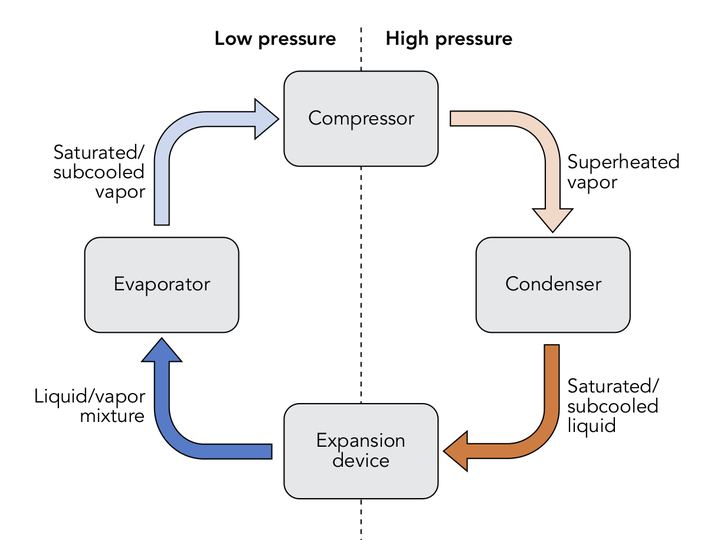
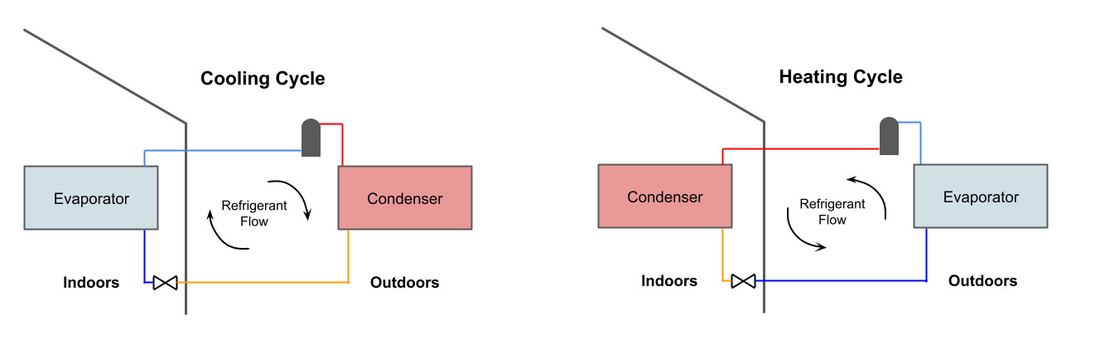
Even freezing outdoor air holds heat energy. An air-source heat pump runs the refrigeration cycle in reverse during winter: the outdoor coil becomes the cold evaporator that pulls heat from outside air, and the indoor coil becomes the hot condenser that releases it into your ducts or room.
In summer a reversing valve flips the flow and the heat pump works exactly like a central air conditioner. One outdoor unit handles both seasons.
Why it uses less energy
Electric baseboards and electric furnaces turn electricity directly into heat. A heat pump uses electricity mainly to move heat that already exists, so it can deliver more heat energy than the electricity it consumes. Depending on the weather, a heat pump typically delivers about two to four units of heat for every unit of electricity it uses, a ratio engineers call the coefficient of performance.
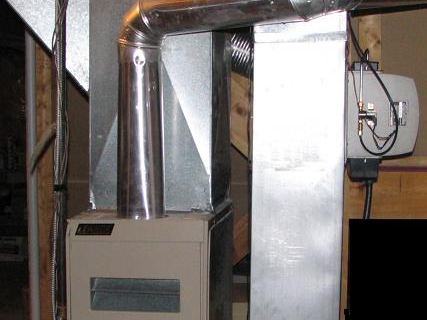
Efficiency drops as it gets colder outside, because there is less heat to collect. Many systems include electric backup strips or pair with a furnace for the coldest days.
Cold climates and defrost
Newer cold-climate heat pumps use variable-speed compressors and can keep heating well below freezing. In damp cold weather, frost forms on the outdoor coil. The unit periodically runs a short defrost cycle, and you may see steam rising from it. That is normal.
Keep snow, leaves and plants clear of the outdoor unit so air can move freely across the coil.
Reading the labels
Since January 2023, US ratings use updated tests and new names: SEER2 for cooling efficiency and HSPF2 for heating efficiency. Higher numbers mean more efficient equipment, but they are not comparable one to one with the older SEER and HSPF numbers.
Ground-source, or geothermal, heat pumps trade heat with the earth through buried pipes. They cost more to install but work from a steadier temperature source than outdoor air.
Common heat pump myths
One myth is that heat pumps cannot work in cold places. Cold-climate models are used in Canada, Scandinavia and the northern United States. Another is that warm air from the vents should feel hot. Heat pump supply air is often a little cooler than air from a gas furnace, so the system tends to run longer, steadier cycles.
A third myth is that the steam cloud during defrost means a fault. A short defrost period is a normal part of winter operation.
Facts on this page were checked against these sources.
- Heat pump in winter: PeterEastern, CC BY-SA 4.0
- Cooling and heating modes: Engtiger47, CC BY-SA 4.0
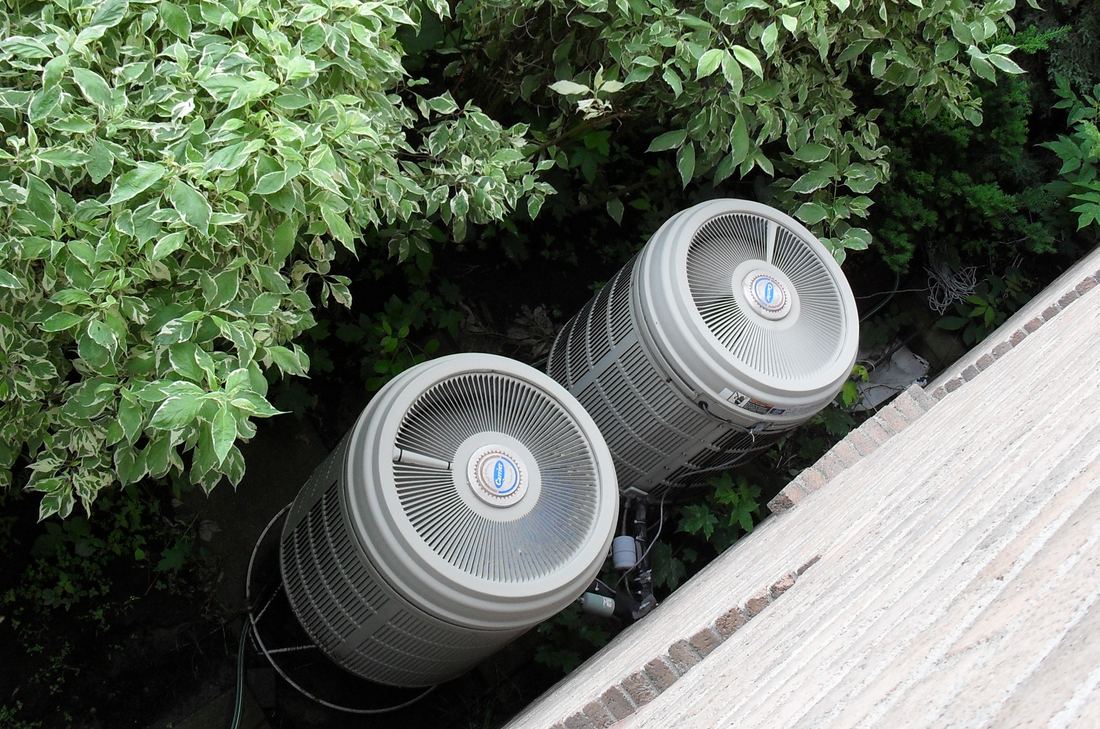
- Outdoor heat pump units: Kristoferb (talk), CC BY-SA 3.0
Text written by Clear Air Cleaning.