How Furnaces Work
Burners, heat exchangers and AFUE ratings. A furnace heats air with gas, oil or electricity and blows it through ducts. Learn the heat exchanger, venting, AFUE ratings and condensing designs.
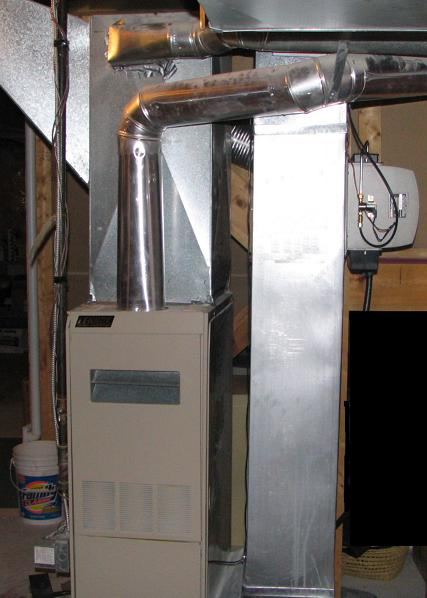
A gas furnace and plenum: User:Muggle99102, CC BY-SA 3.0
Burner, heat exchanger, blower
In a gas furnace, burners heat a sealed metal chamber called the heat exchanger. The blower pushes house air across the outside of that chamber, so the air warms up without ever mixing with the flames or combustion gases. Those gases leave through a flue or vent pipe to the outdoors.
Electric furnaces skip the flame and use heating elements, much like a giant toaster, which means no combustion gases at all.
What AFUE means
Annual Fuel Utilization Efficiency, or AFUE, is the share of fuel energy that becomes heat in your home over a typical season. An 80 percent AFUE furnace turns 80 percent of its fuel into useful heat and loses the rest, mostly up the vent.
The US Department of Energy says older low-efficiency systems often run around 56 to 70 percent AFUE, while modern high-efficiency models reach about 90 to 98.5 percent.
Condensing furnaces
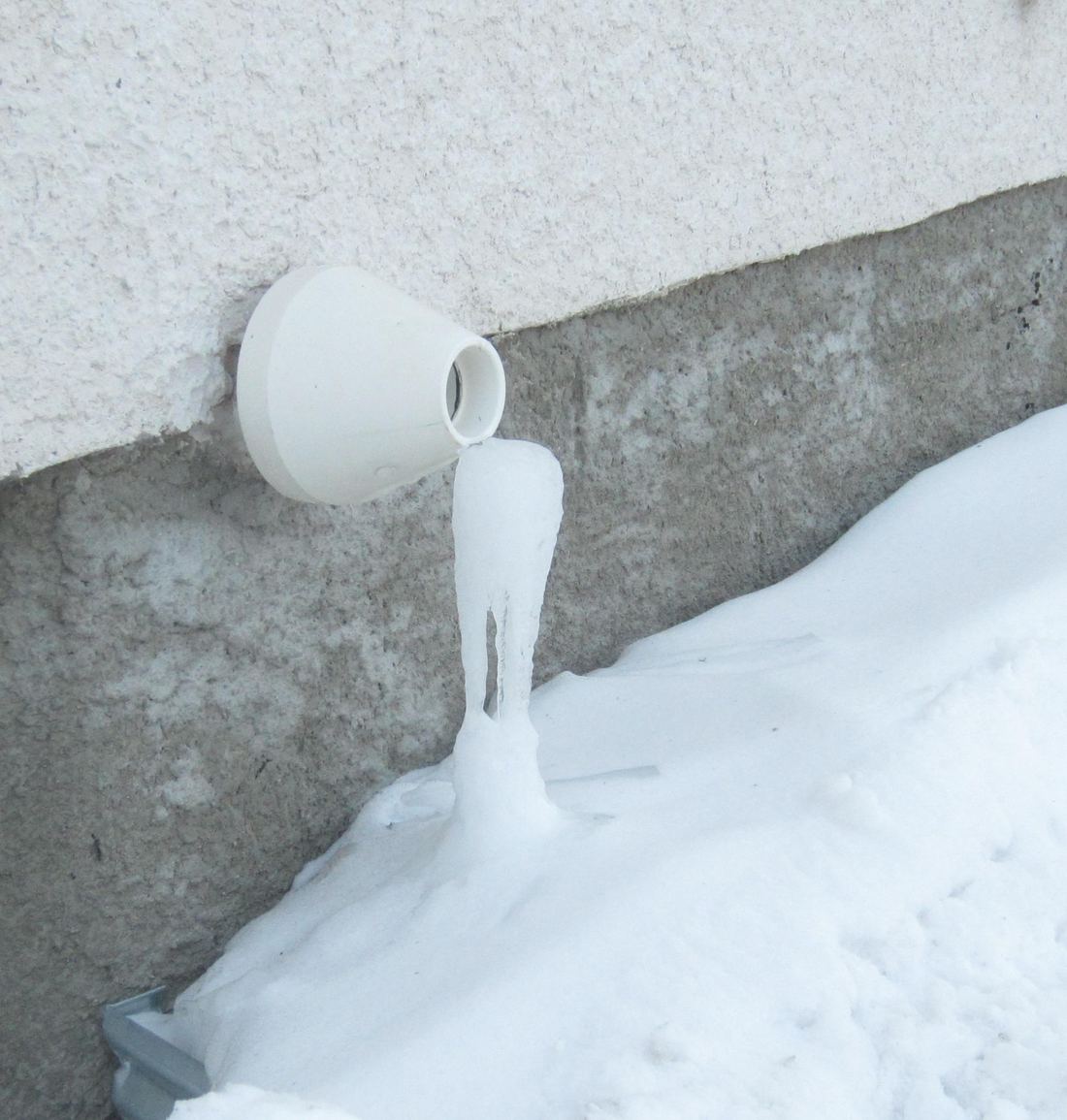
High-efficiency furnaces add a second heat exchanger that cools the exhaust so much that water vapor in it condenses. Capturing that extra heat raises efficiency above 90 percent. Because the exhaust is cool and wet, these furnaces vent through plastic pipe and need a drain for the acidic condensate.
That is why you often see two white pipes leaving the side of a newer house: one brings in combustion air and one carries exhaust.
Safety facts
A cracked heat exchanger or a blocked vent can let carbon monoxide into a home, so annual inspection by a qualified technician is widely recommended, and every home with fuel-burning appliances should have working carbon monoxide alarms.
Keep the area around the furnace clear of stored items, never block the combustion air openings, and change the filter on schedule so the heat exchanger does not overheat.
Sounds and smells to note
A short burning dust smell at the first start of the season is common, as dust on the heat exchanger burns off. A smell of rotten eggs is different: gas utilities add that odor to natural gas so leaks can be noticed. If you smell it, leave the home and call the gas company from outside.
Loud bangs at startup, frequent short cycling or a yellow, flickering burner flame instead of a steady blue one are worth reporting to a qualified technician.
Facts on this page were checked against these sources.
- A gas furnace and plenum: User:Muggle99102, CC BY-SA 3.0
- Condensing furnace vent: Wtshymanski, CC BY-SA 4.0
Text written by Clear Air Cleaning.