Indoor Air Quality Basics
What is in the air at home. People spend about 90 percent of their time indoors, where some pollutants can be two to five times higher than outside. The EPA's three-step approach.
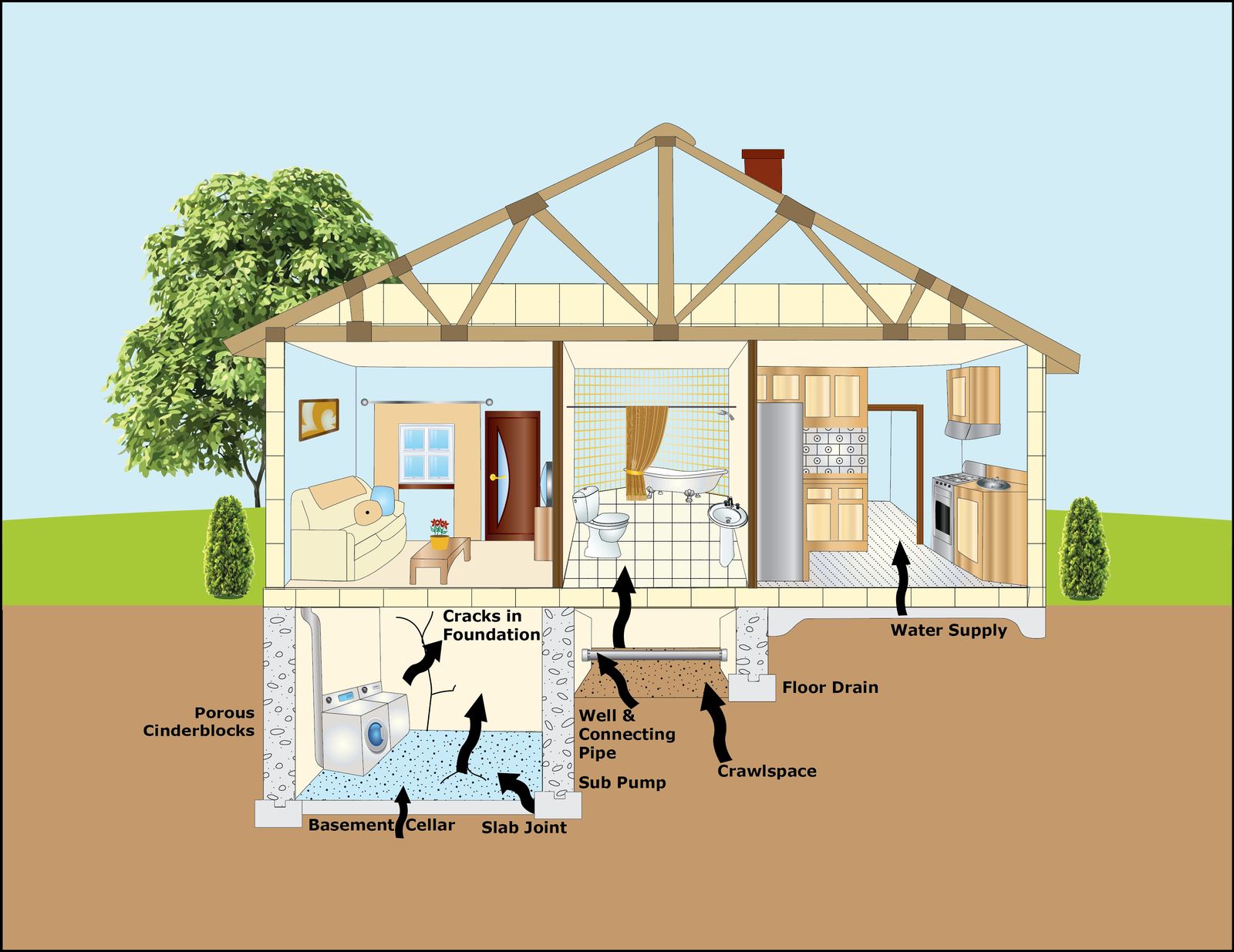
How radon gets into a house: United States Environmental Protection Agency | US EPA, Public domain
Why indoor air matters
The EPA notes that Americans spend about 90 percent of their time indoors, and that indoor concentrations of some pollutants are often two to five times higher than typical outdoor levels. Homes collect pollutants from cooking, cleaning products, furniture, fuel-burning appliances, pets, moisture and the soil underneath.
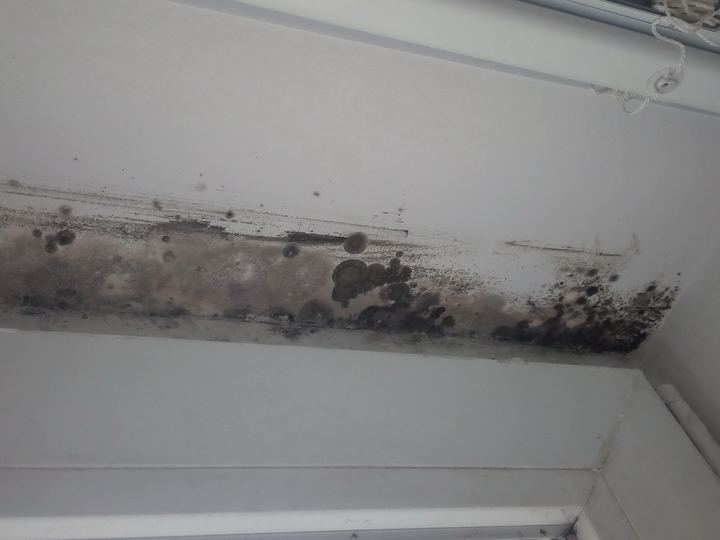
Common indoor pollutants include fine particles, volatile organic compounds, carbon monoxide, nitrogen dioxide, mold and radon.
Source control first
The EPA's first and usually most effective strategy is source control: removing or reducing the things that pollute. That means venting gas appliances properly, fixing leaks that feed mold, storing paints and solvents outside the living space and not smoking indoors.
The second strategy is ventilation, bringing in outdoor air and exhausting stale air. The third is air cleaning with filters, which helps with particles but does not replace the first two.
Radon, the invisible one
Radon is a radioactive gas that comes from natural uranium in soil and rock and can seep into homes through cracks and openings in foundations. You cannot see or smell it. The EPA calls radon the number one cause of lung cancer among non-smokers.
Testing is the only way to know your level. The EPA recommends fixing a home if radon is 4 picocuries per liter or higher, and considering a fix between 2 and 4. Radon reduction systems are installed by qualified mitigation contractors, not by duct cleaning.
What HVAC can and cannot do
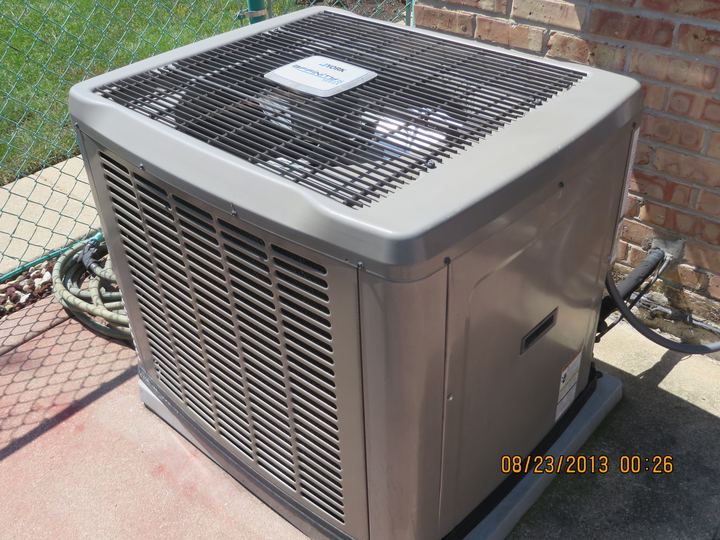
Your heating and cooling system can help indoor air by filtering particles on every pass and, if it has a ventilation feature, bringing in fresh air. It cannot remove gases like radon or carbon monoxide.
A good monthly habit: check the filter, run kitchen and bath fans when cooking or showering, and keep humidity in a healthy range.
Simple habits that help
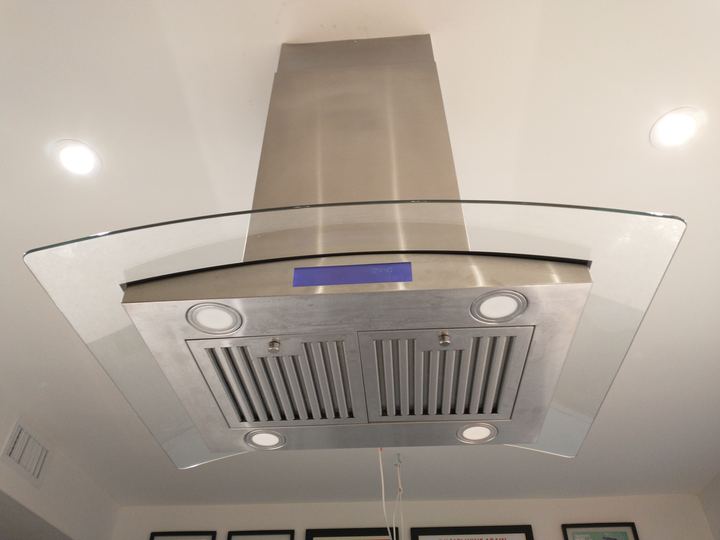
Many of the most effective steps cost little. Use the range hood on its outside-venting setting whenever you cook. Run bathroom fans during and after showers. Store paints, solvents and fuel in a detached shed or garage, not inside the home. Do not allow smoking indoors.
Test for radon with an inexpensive kit or a professional test, and install carbon monoxide alarms if you have any fuel-burning appliances or an attached garage. Keep the HVAC filter fresh so the system can catch particles on every pass.
- US EPA: Report on the Environment, Indoor Air Quality
- US EPA: Introduction to Indoor Air Quality
- US EPA: Health Risk of Radon
- US EPA: The Inside Story, A Guide to Indoor Air Quality
Facts on this page were checked against these sources.
- How radon gets into a house: United States Environmental Protection Agency | US EPA, Public domain
Text written by Clear Air Cleaning.