Ventilation and Fresh Air
Exhaust fans, ERVs and HRVs. Ventilation swaps stale indoor air for outdoor air. How kitchen and bath fans, ERVs and HRVs work and what the ASHRAE 62.2 home ventilation standard says.
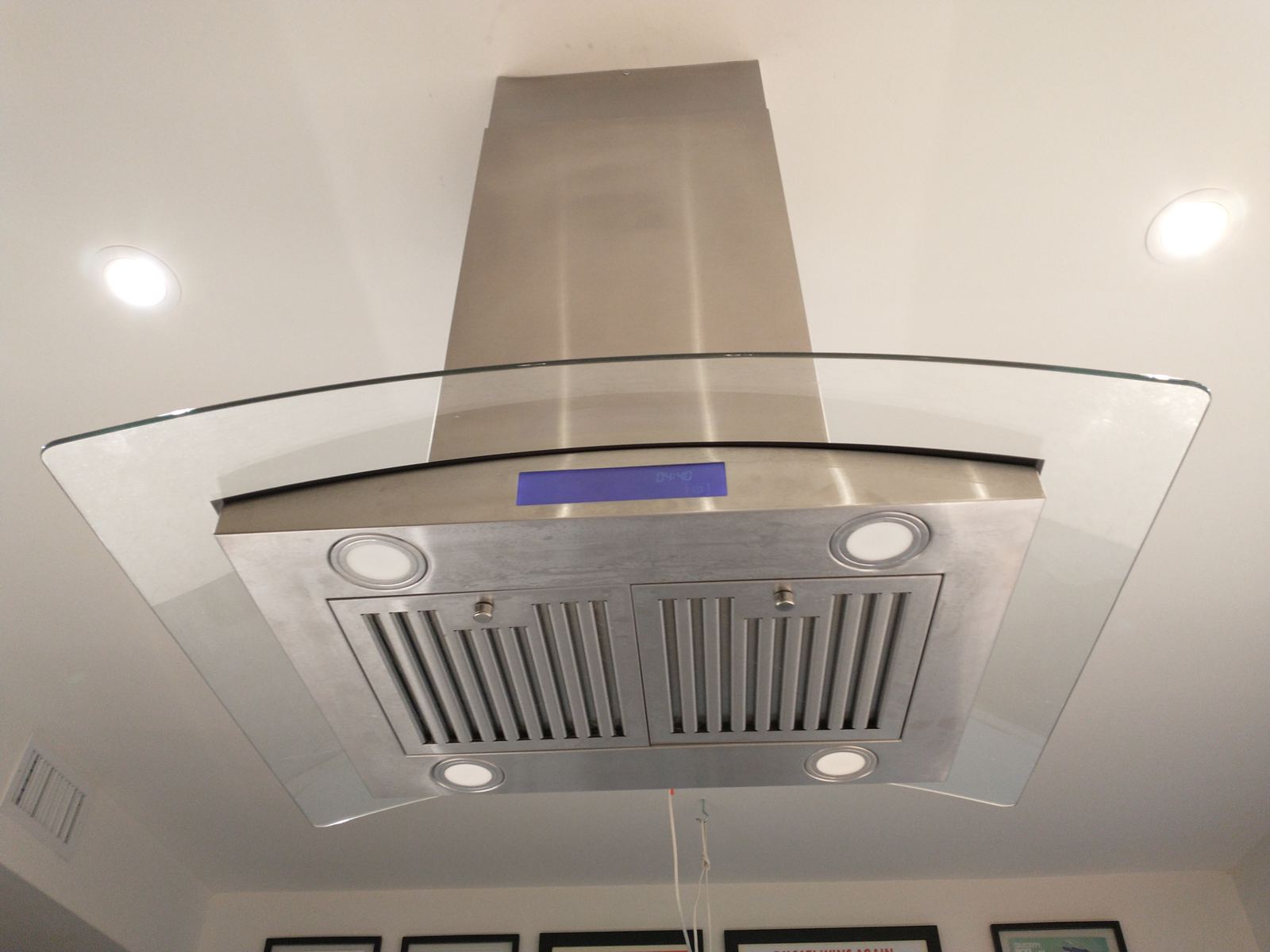
A kitchen range hood: Stilfehler, CC BY-SA 4.0
Why homes need fresh air
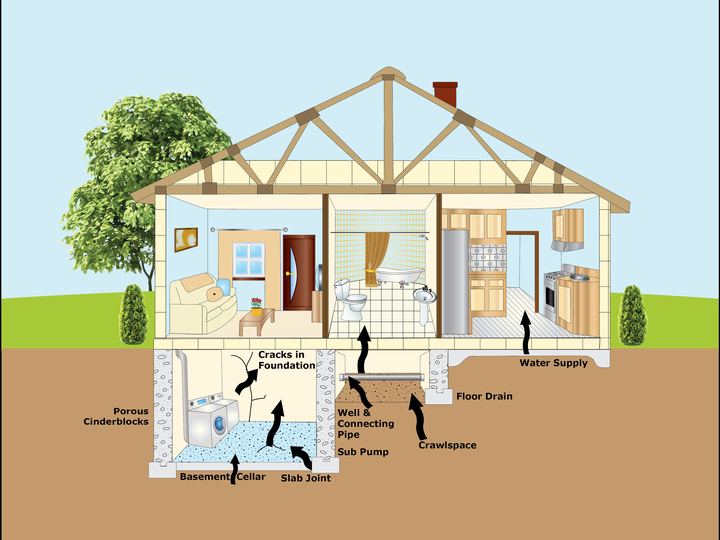
Modern homes are built tighter to save energy, which also means less outdoor air leaks in by accident. Without planned ventilation, moisture from showers and cooking, odors and indoor pollutants build up. The EPA lists ventilation as one of its three main strategies for better indoor air.
ASHRAE Standard 62.2 is the main US standard for ventilation and acceptable indoor air quality in homes. It sets minimum whole-house airflow based on floor area and number of bedrooms, plus local exhaust in kitchens and bathrooms.
Kitchen and bathroom fans
Cooking, especially on gas stoves, releases moisture, particles and gases. A range hood that vents to the outdoors and is used every time you cook is one of the simplest air quality tools in a home. Recirculating hoods filter grease but do not remove moisture or gases.
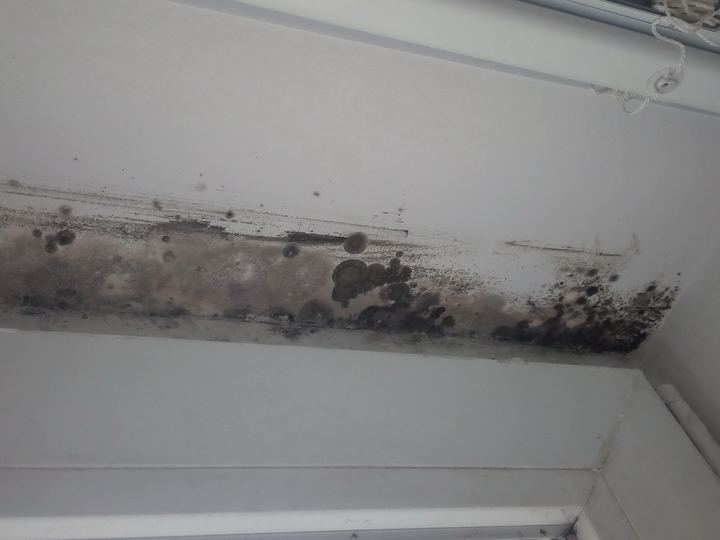
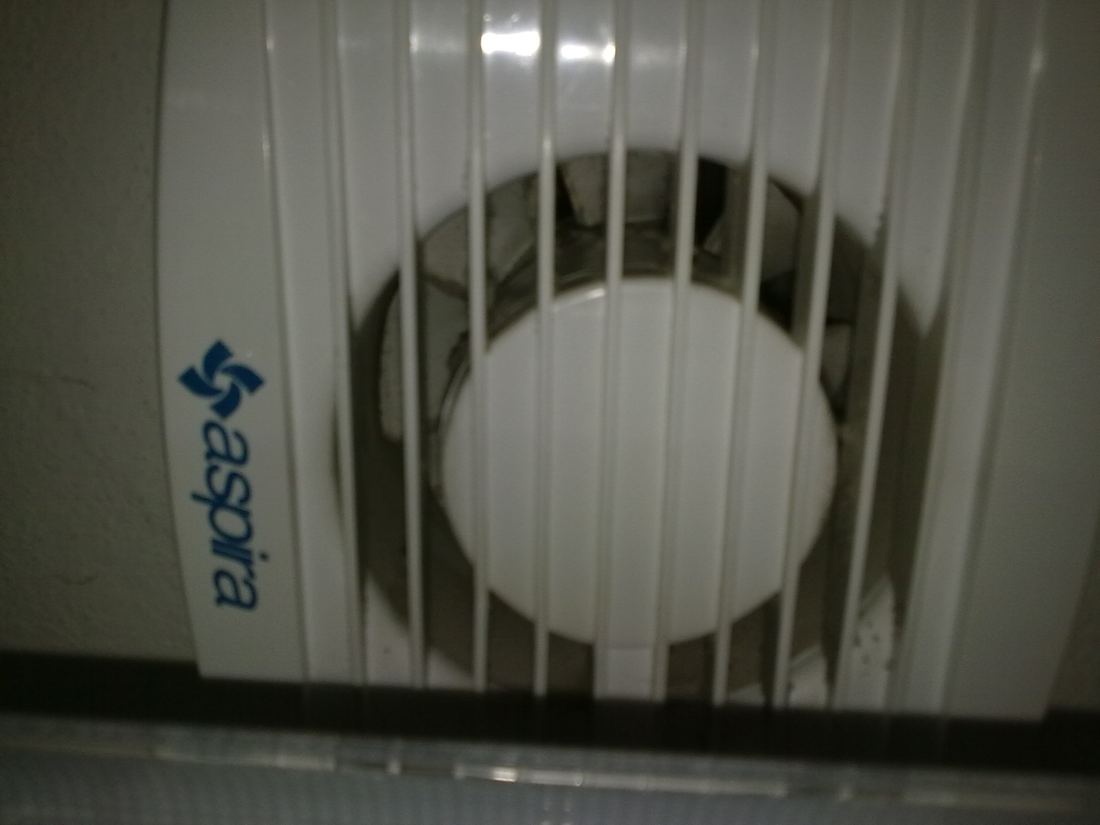
Bathroom fans remove the moisture that feeds mold. Run them during showers and for a while after. Fans should always vent outdoors, never into an attic, where the moisture can cause damage.
HRVs and ERVs
A heat recovery ventilator, or HRV, brings in a steady stream of outdoor air and exhausts the same amount of stale air. Inside, a heat exchanger core lets the outgoing air warm or cool the incoming air without the two streams mixing, so less energy is wasted.
An energy recovery ventilator, or ERV, also transfers some moisture, which can help in humid summers or very dry winters. Both need their filters and cores cleaned on the maker's schedule.
Simple wins
Open windows when outdoor air is clean and the weather allows. Use your hood and bath fans every time. If your thermostat has a fan or ventilation setting tied to a fresh air intake, learn what it does.
Ventilation works best together with source control and good filtration, not instead of them.
Balanced and exhaust ventilation
There are a few ways to ventilate a whole house. Exhaust-only systems run a quiet bathroom fan continuously, and fresh air leaks in through small openings. Supply-only systems bring outdoor air into the return duct. Balanced systems, like HRVs and ERVs, bring in and exhaust equal amounts of air.
Each approach has trade-offs for cost, comfort and climate. Whichever is used, outdoor air intakes should be kept away from car exhaust, dryer vents and other pollution sources.
- US EPA: Introduction to Indoor Air Quality
- ASHRAE: Standards and Guidelines
- Wikipedia: Heat recovery ventilation
Facts on this page were checked against these sources.
- A kitchen range hood: Stilfehler, CC BY-SA 4.0
- A bathroom exhaust fan: Antonio Mette, CC BY 3.0
Text written by Clear Air Cleaning.
← Humidity and Mold at HomeCarbon Monoxide and Your Heating →