Ductless Mini-Splits
Heating and cooling without ductwork. Ductless mini-split heat pumps put a small fan unit on the wall and a compact unit outside. How they work, where they fit and how to keep them clean.
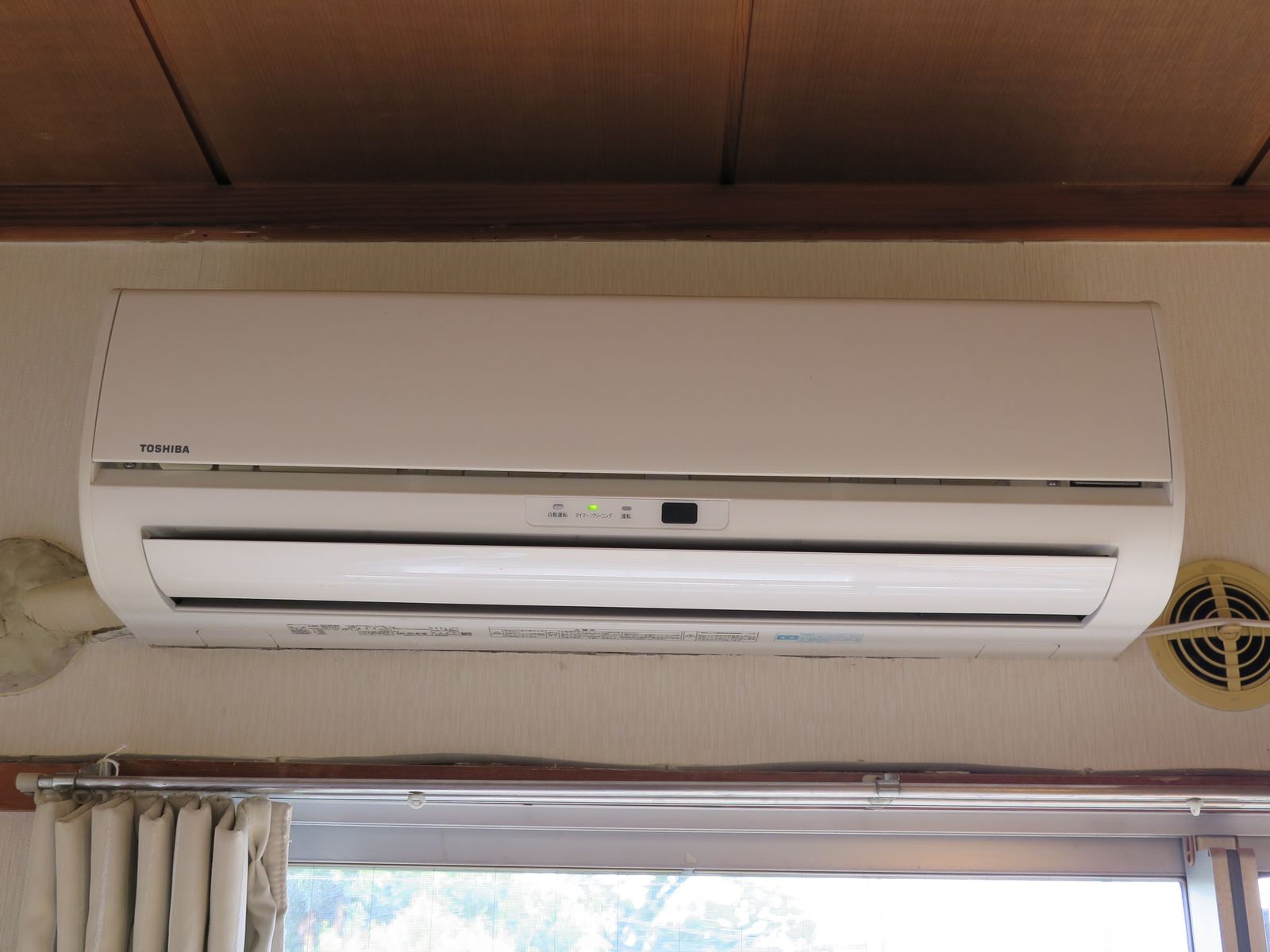
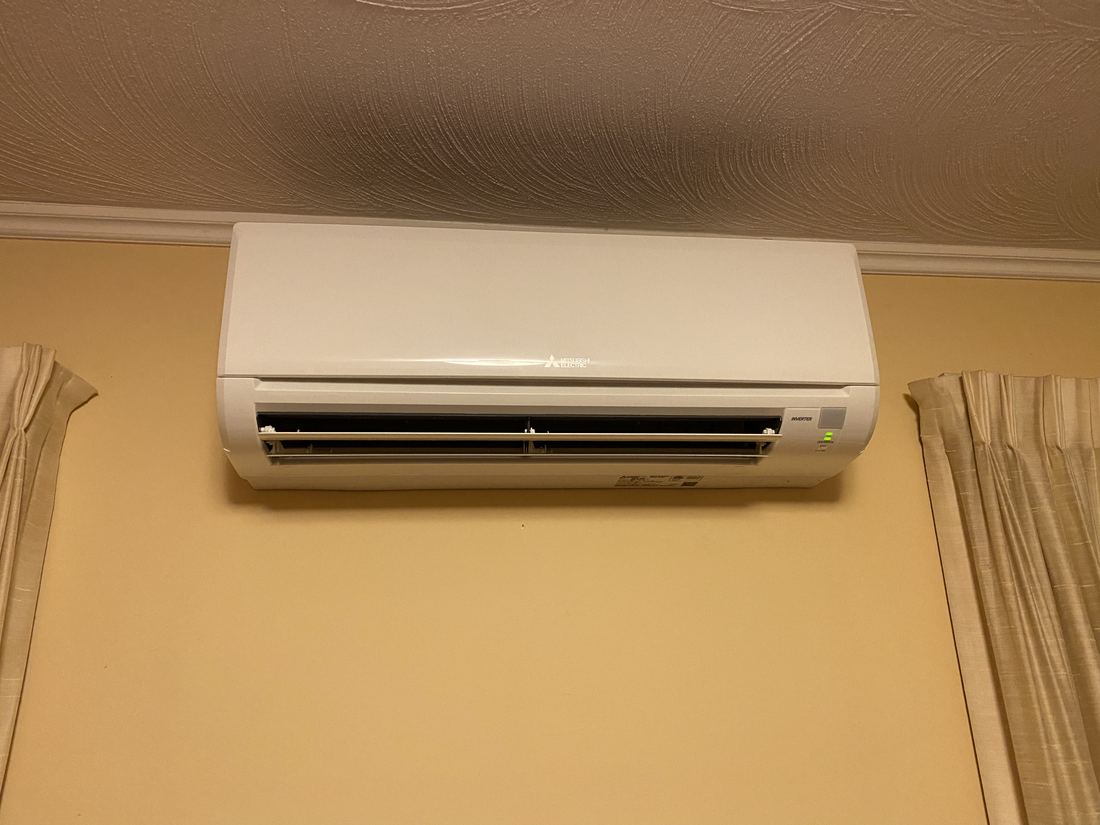
A wall-mounted indoor unit: Douglas Paul Perkins, CC BY-SA 4.0
A split system in miniature
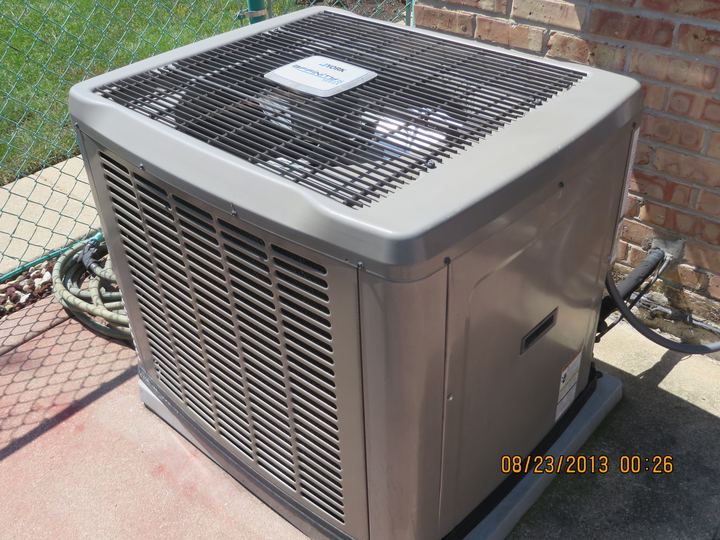
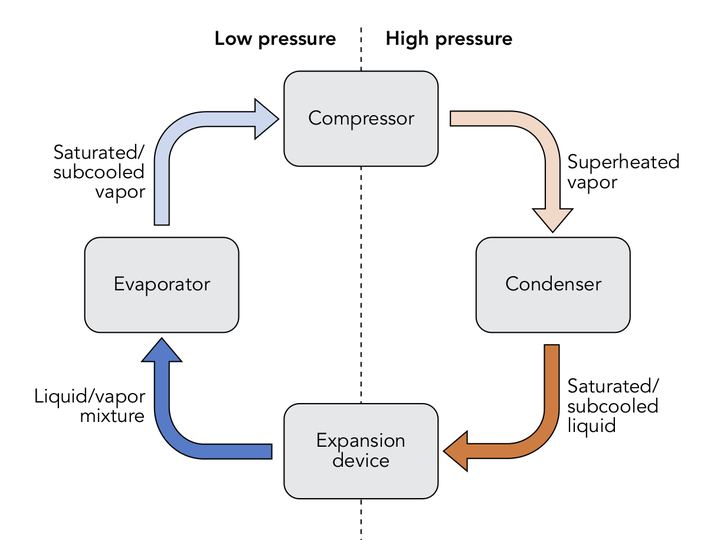
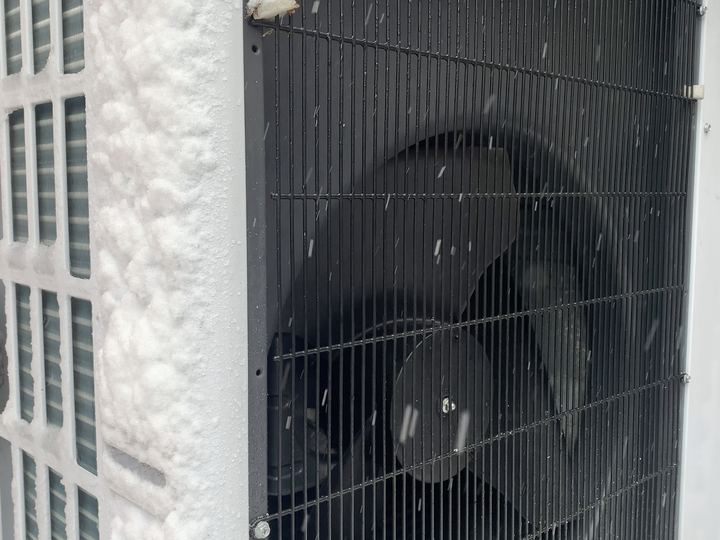
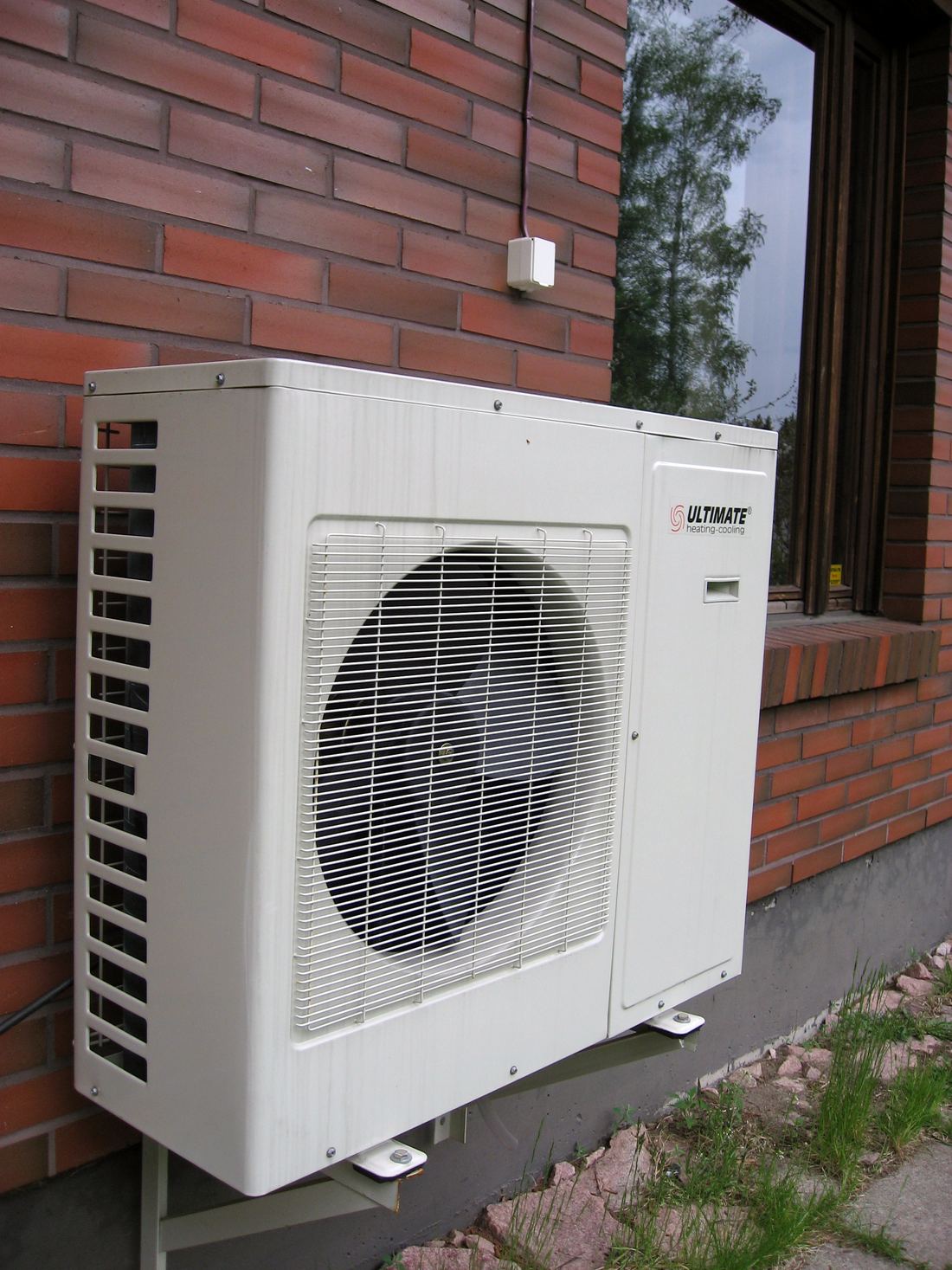
A mini-split is a heat pump or air conditioner with no ducts. An outdoor unit holds the compressor and coil, and one or more indoor head units hold a coil and a quiet fan. Refrigerant lines, a power cable and a condensate drain pass through a hole only a few inches across.
Each indoor head heats or cools the room it is in, and many systems let each room have its own temperature.
Where they make sense
Mini-splits are popular for additions, garages turned into rooms, older homes with radiators and no ducts, and rooms that never feel comfortable on the main system. The Department of Energy points out that they avoid the energy losses of ductwork, which it says can account for more than 30 percent of energy use for heating and cooling when ducts run through unconditioned spaces like attics.
The trade-off is that each head needs a spot on a wall or ceiling, and multiple heads can cost more than a single ducted system.
Keeping the heads clean
Each indoor head has a washable mesh filter behind its front panel. Manufacturers typically recommend checking it often, about monthly during heavy use. A clogged screen cuts airflow and comfort.
Inside, the coil and the barrel-shaped blower wheel can collect dust and, in humid conditions, mold growth. Deep cleaning of the coil and blower is a job for trained technicians because of the electronics and the risk of bending the fins.
Ventilation still matters
Mini-splits move and condition room air, but most bring in no fresh outdoor air. Homes with ductless systems still need ventilation from exhaust fans, a ventilator or other planned openings.
Mini-splits with high SEER2 and HSPF2 ratings can be among the most efficient ways to heat and cool individual rooms.
Single zone or multi zone
A single-zone system pairs one outdoor unit with one indoor head. A multi-zone system connects several heads to one larger outdoor unit, which saves space outside but links the rooms to the same compressor.
Indoor heads come in several styles: high wall units are the most common, but there are also ceiling cassettes that sit flush in the ceiling, floor consoles and small concealed duct units that serve a couple of nearby rooms through short duct runs. Each style needs its condensate drain routed so water leaves the home.
Facts on this page were checked against these sources.
- A wall-mounted indoor unit: Douglas Paul Perkins, CC BY-SA 4.0
- The compact outdoor unit: No machine-readable author provided. Ppntori assumed (based on copyright claims), Public domain
- Indoor head unit: ArnoldReinhold, CC BY-SA 4.0
Text written by Clear Air Cleaning.